×

Counterfeit drugs: an Australian perspective

A recent report on counterfeit drugs and online pharmacies highlighted the global impact of falsified or substandard drugs.1 In countries with stringent legislation, governance and customs, such as Australia, the prevalence of counterfeit medications is low and estimated by the World Health Organization to be less than 1% of market value.2 Substandard medications are a greater issue globally, with reduced efficacy and potential for contamination.3 All may have serious and unpredictable risks (Box).

Globally, there are about 36 000 active internet pharmacies, of which less than 5% are estimated to be legitimate. In the United States and the European Union, consumers have access to a list of authorised websites, such as LegitScript (https://www.legitscript.com) and the EU common logo (via national websites listed with the European Medicines Agency). In contrast, in Australia, there is currently no government-endorsed safe list of Australian internet pharmacies. In June 2015, 115 countries including Australia participated in Operation Pangea, an international week of action targeting the online sale of counterfeit and illicit medicines; over 20 million falsified medicines were seized, 429 investigations were launched, and 2414 websites were taken offline.4 This and other initiatives, including the WHO global surveillance and monitoring system and an EU directive (2011/62/EU) aiming to limit supply, address the growing issue of falsified medications.

Patients use online pharmacies for convenience, cost savings, and access to medications without a prescription. In Australia, medications purchased online are often lifestyle medications targeted at improving a person’s quality of life. These include medications for weight loss, hair growth, and treatment of erectile dysfunction. There have been recent reports in Australia of these medications being contaminated with sulfonylureas5 and sibutramine6 with significant adverse effects. The Therapeutic Goods Administration (TGA) issues advisories and safety alerts when counterfeit and illegal medications are detected (available at https://www.tga.gov.au/alerts).

For Australian travellers, the WHO and the Northern Territory Department of Health advise travellers to purchase antimalarial and prescription medications before departure. This is based on studies in Africa and Asia that have reported treatment failure due to insufficient or inactive ingredients in locally purchased medications.3 Adverse effects associated with toxic additives present because of substandard quality control have also been reported with medications purchased overseas. For example, mass poisonings have resulted in death secondary to contamination with diethylene glycol.7 Although localised to specific countries, with the rise of unregulated online pharmacies, this is a potential risk even in countries with adequate pharmaceutical controls and quality assurance such as Australia.

In the era of increasing globalisation of pharmaceutical products, Australia must remain vigilant, and clear guidelines for monitoring, regulation and education are needed. Suggestions to implement this include:

  • All Australian online pharmacies should be accredited through the Quality Care Pharmacy Program. From this, the TGA in conjunction with the Pharmacy Guild of Australia should release a safe list of Australian online pharmacies.

  • Public awareness campaigns should utilise NPS MedicineWise and Australian Prescriber — resources widely accessed by consumers, pharmacists and prescribers.

  • The Australian Customs and Border Protection Service should continue to work with global agencies to optimise the identification of counterfeit medications.

Box –
Common risks of falsified or substandard medications

Issue

Consequences


Excess active ingredient

Increased adverse drug reactions

Reduced or no active ingredient

Reduced efficacy

Incorrect ingredient

Adverse drug reactions and unpredictable effects

Toxic additives or contaminants

Potential for significant injury or death

Past use-by date or poor packaging

Reduced efficacy


Using opioids in general practice for chronic non-cancer pain: an overview of current evidence

Chronic non-cancer pain is highly prevalent in our communities and its optimal management is crucial to the health and wellbeing of the community.1 Without good control of chronic pain, our community faces a level of avoidable suffering that cannot be justified, with costs of uncontrolled chronic pain borne across society by individuals, health services and businesses.2,3 At both the level of the individual patient and the community, there needs to be focus on using the best available evidence to assess and manage this overwhelming problem. Part of the appropriate treatment for many people will include opioid analgesics for acute pain at least for days to weeks.4 Simultaneously there is increasing pressure to ensure that prescribing of opioid analgesics is minimised to reduce the risk of dependence and illicit diversion. This is a difficult balance to strike, even with initiatives such as prescription drug monitoring programs.5

This article provides a brief overview of the current evidence to guide opioid use for chronic non-cancer pain in general practice.

Chronic pain: definitions and epidemiology

The International Association for the Study of Pain defines chronic pain as that which has persisted beyond normal tissue healing time; by convention, this is usually interpreted as pain that lasts for more than 3 months.6 Definitions for the duration of pain, intensity and level of interference with daily activities vary around the world. In the adult Australian population, pain has been defined as chronic if experienced daily for three of the past 6 months.1 Prevalence varies with the definition of chronicity.7,8

Chronic non-cancer pain is a major health problem around the world with prevalence rates as high as 33% of the population in western populations.9 It is prevalent across our communities, with up to 17.1% of men and 20.0% of women in Australia likely to experience the problem.1 These rates are comparable to those found in Denmark and Canada.10 Much higher rates have been reported from the United Kingdom, where rates may be as high as 46.5% of the population.11 Pain that interferes markedly with daily functioning has a rate in Australia of 5.0% of the population, with the strongest predictor being a work-related injury in an adjusted model with an odds ratio of 19.3 (95% CI 7.30–51.30; P < 0.001).12

The most frequently identified pains are those affecting the lower back and from osteoarthritis.11 As expected, the prevalence of pain increases with age, with some of the highest rates seen in residential aged care facilities.13 Chronic neuropathic pain is estimated to occur in one in 11 people.14

Chronic prescribing has been defined as 90 days or more of opioid prescribing in the past 120 days;15 this definition is congruent with that of the International Association for the Study of Pain.6

Current guidelines for safe prescribing of opioids for chronic non-malignant pain

The two most current and comprehensive evidence-based guidelines for the use of opioids for chronic non-cancer pain come from the United States and Canada.16,17 They share the stated purpose of ensuring the appropriate management of chronic non-cancer pain while minimising abuse of opioids.

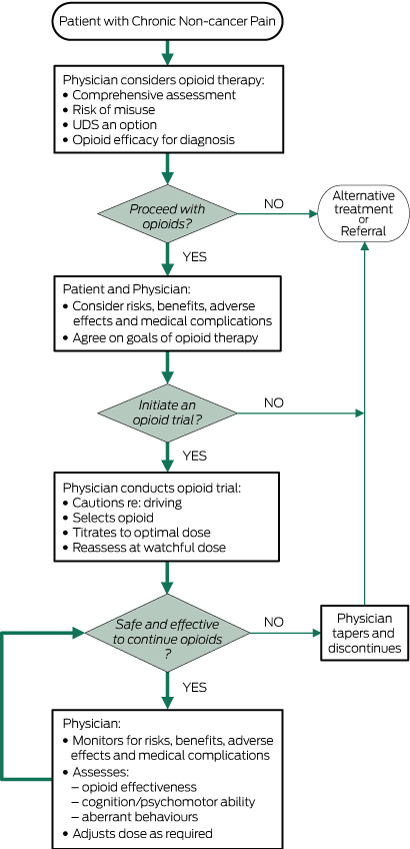
The Canadian guideline is for all practitioners working with chronic non-cancer pain, not just clinicians in specialist pain practice (Box 1).17 Major domains in considering such therapy are outlined in the document: assessing patients for the suitability for opioids; initiating a therapeutic trial of opioids and monitoring long term use. Sections are devoted to particular patient populations. One recurring theme in the clinical recommendations is to treat only “well defined somatic or neuropathic pain conditions when non-opioid alternatives have failed”.17 Care needs to be taken when deciding to initiate or titrate opioids, especially in more vulnerable populations who have relevant comorbid conditions, and great care is necessary if people require more than 200 mg of oral morphine equivalents. Another key theme is the need for the clinicians involved in a patient’s care to have clear lines of accountability with each other and for agreed communication strategies among treating clinicians.

Guidelines from the US stress that the use in the longer term (more than 3 months) of opioids for chronic non-cancer pain has little data to support the practice.16 However, in contrast to the Canadian guideline, the US guidelines suggest that doses of greater than 91 mg of morphine equivalent should be treated with caution and specialist advice sought. There is some evidence to support prescription drug monitoring programs and urine drug testing as mechanisms to reduce abuse potential. Less robust evidence supports a thorough patient assessment, risk-screening tools, controlled-substance agreements, careful dose titration, opioid dose ceilings, and adherence to practice guidelines reduces the risk of aberrant prescription drug-related behaviours.18

With respect to Australian recommendations, most recently the National Prescribing Service (NPS) has released a series of documents providing clinical advice for health professionals engaged in the care of people with chronic pain. This includes a section titled “Best practice opioid analgesic prescribing for chronic pain”, with the Australian recommendations similar to those of the US suggesting that daily doses above 100 mg morphine equivalent should be avoided. Further, recommendations made by the NPS include the fact that when commencing opioids, initial doses should be low with careful and supervised titration.19 A summary of the NPS recommendations is included in Box 2.

Current prescribing trends in Australia

Australia continues to experience rising rates of opioid prescription.20 Between 1992 and 2012, Australian opioid dispensing episodes increased from 0.5 million prescriptions to 7.5 million, with no evidence to suggest that these figures are reaching a plateau.21 There has also been an increase in the number of opioid preparations available (n = 241), including morphine (n = 87), fentanyl (n = 43) and oxycodone (n = 37) as the largest three groups.21 The indication on the Pharmaceutical Benefits Scheme generally includes use for chronic severe disabling pain that is not responsive to non-opioids. The variation in opioid prescribing across Australia has recently been highlighted in the Australian Atlas of Healthcare Variation published by the Australian Commission on Safety and Quality in Health Care (http://www.safetyandquality.gov.au/atlas).

The overall increase in opioids in Australia likely reflects a population that continues to grow rapidly in part because of increasing life expectancy with chronic illnesses of ageing often associated with pain, previous under-prescribing, increasing incidence and survival from cancer, increased numbers of preparations available, poor access to allied health for non-pharmacological interventions, poor undergraduate and postgraduate education about opioid prescribing, aggressive marketing and the imperative for health professionals to better manage pain.20

Clinical consequences of opioid use

Despite the prevalence of pain across the community, overall chronic non-cancer pain generally remains poorly treated, resulting in limitations in activity and diminished quality of life. Although there are a variety of strategies available to help manage chronic non-cancer pain, for many people opioids are prescribed long term. While some patients do achieve effective analgesia, an estimated 40–70% of people with chronic pain do not,22 with the balance towards those who appear not to benefit from opioids in the long term.23 It is important to consider how the long term use is balanced with the risk of short and long term adverse effects of opioids.

Shorter term harms

Typically shorter term side effects are considered unpleasant but unlikely to lead to long term consequences (Box 3). Data from a systematic review suggest that for every four patients commenced on opioids, at least one person would experience at least one of these effects in a 1–8-week period.24

Longer term harms

Longer term harms may include physical and psychological issues and dependence. (Box 4) While most of the adverse effects that occur when opioids are commenced are expected to resolve rapidly,25 the adverse effects of constipation, sedation or dizziness for some people may not settle, all of which can cause significant morbidity. Older patients taking the equivalent of at least 50 mg of morphine daily have a twofold risk of sustaining a fracture as a result of a fall.26

Opioids may contribute to acceleration of loss of bone mineral density in the long term and to hypogonadism because of their suppression of hypothalamic gonadotrophin-releasing hormone. This can lead to amenorrhea or oligomenorrhea in premenopausal women and erectile dysfunction in men.27 There is also a 28% increase in the risk of myocardial infarction for people taking opioids long term.28

Psychological impacts include higher rates of depression after chronic opioid therapy is initiated in people who were not previously depressed. In this same cohort, higher rates of anxiety, lower self-efficacy and a tendency towards catastrophising were seen regardless of the opioid doses.29

People who use opioids long term for chronic non-cancer pain are at greater risk of misusing them, including through psychological dependency and overdose. These problems are prevalent in this cohort, with rates of misuse (21–29%) and addiction (8–12%) a cause for grave concern.30

The risk of sudden death due to opioids is amplified in the context of concurrent benzodiazepine and/or alcohol (mis)use.31

Aside from the direct adverse effects of opioids, there are several other potential negative consequences. There is a subset of people who are not concurrently using other agents such as alcohol, who are on modest doses of opioids and not currently experiencing high levels of pain, for whom driving is likely be to be safe.32 In Australia, recommendations include the suggestion that people should not drive if they feel drowsy or impaired. Further, due to the persistent miotic effects, driving at night is discouraged. If there are concerns regarding capacity, a practical driving assessment may be requested by health professionals with the details as to how to achieve this in each state, dependent on the local driver-licensing authority.33 Proper assessments of capacity are important given that health service use increases with opioid use. Higher rates of hospitalisations, emergency department presentations and even unintentional death have been recorded.31,34 The evidence that supports the benefits outweighing the risks of long term opioids for chronic pain is very poor. There is real need for further research to most clearly define which patients are most likely to benefit from opioids and what are the most suitable precautions to safeguard them from harm.35

GPs’ attitudes to prescribing opioids for chronic non-cancer pain

Despite the development of various guidance documents for the safe and effective use of opioids,17,19,36,37 GPs continue to be concerned about the risk of opioid dependence and misuse for patients with chronic non-cancer pain. There are also concerns expressed by GPs about their capacity to manage the complex physical and psychological needs of this patient cohort, and their role in long term prescribing and the limitations of available treatment approaches.3841 Regional difference in opioid-prescribing confidence has been noted in a pan-European online survey of primary care pain management practices.41 GPs in Norway (46%), Sweden (43%) and Poland (37%) reported lower levels of opioid-prescribing confidence, which they attributed to fears of addiction and adverse events.41 GPs in the UK, the Netherlands, France and Italy were more confident about prescribing opioids for patients with chronic non-cancer pain, which they attributed to their experience and the therapeutic treatment choices available.41

Opioid prescribing in primary care is complex because of the need to optimise pain management while balancing the risks of tolerance and addiction.37 Inappropriate prescribing is more likely when patients are exposed to repeated consultations that do not meet their needs and if GPs feel powerless to negotiate an alternative plan of care and set appropriate boundaries.38,42 If there is a perceived paucity of treatment alternatives, opioid prescribing can occur as a default decision.38 Variations in opioid prescribing have previously been linked to GPs’ pain management training, experience and exposure to adverse opiate-related events.43

What can be done to reduce inappropriate prescribing?

While there are opportunities to address inappropriate prescribing at the system, provider and patient levels, one of the most immediate changes could be achieved simply by supporting GPs to manage patients’ chronic non-cancer pain in accordance with recommended guidelines.39

Evidence-based guidelines provide GPs with an evidence-based framework for the collaborative development of a treatment plan with the patient.37 There are also opportunities to strengthen safe opioid prescribing by GPs for non-malignant pain through specific education programs.44 Combining clinician education with an opioid dose limitation practice policy45 and implementing a practice policy of not providing repeat opioid prescriptions or authorising a dose increase without a formal medical review may reduce the risk of inappropriate dose escalation.38

High level evidence supports the use of methadone or buprenorphine in patients with chronic non-cancer pain who are addicted to opioids (high level evidence).17

Indications to prescribe or not prescribe chronic opioids

Only carefully selected patients should be considered for long term opioids for chronic non-cancer pain that is moderate to severe, has led to substantial negative impacts on daily living and has failed all other analgesic modalities and adequate allied health assessments.46 Any concerns about the prevalence of opioid prescribing must be balanced with ensuring that people with opioid-responsive pain are adequately treated.47 Evidence is slowly building to refine prescribing guidelines, maximising benefits and minimising harms.48 Many of the more routine pain problems such as chronic back pain or chronic headaches are unlikely to respond to opioids, in contrast to more severe and physically disabling problems such as destructive rheumatoid arthritis.34

Managing aberrant patient behaviour

Aberrant behaviour related to prescription medications includes any behaviour that suggests non-medical use of a drug or evidence of addiction, such as drug-seeking behaviour, alternative routes of delivery, obtaining opioids from other sources or unsanctioned use.39 Preventing aberrant drug-related behaviour requires minimising the risk of opioid misuse while optimising the best evidenced-based treatments for patients with chronic non-cancer pain. In order to minimise harm, these patients require an approach that is similar to other chronic illness interventions, which includes appropriate non-pharmacological and pharmacological approaches, and an individualised evidence-based risk-mitigation plan to optimise adherence.39 There is good evidence that determining the treatment goals of pain relief and improved function can minimise the risk of aberrant behaviour.37 Prescribing tamper-resistant opioids currently offers the highest level of prevention of opioid misuse.18

If a patient with chronic non-cancer pain requests an early opioid prescription, it is important to consider the possibility that the patient may have developed tolerance to the opioid, thus requiring a higher dose to maintain the same level of pain control; developed physical dependence and is experiencing early withdrawal symptoms; diverted some or all of his or her opioids for financial gain; or that a third party may have diverted the prescribed opioids.49 Once aberrant behaviour has developed, management becomes more complex and is likely to require a range of responses including urgent referral to specialist services, urine drug screening and other compliance monitoring, treatment agreements, and patient education. High level evidence suggests that when combined, these measures can reduce substance misuse by 50%.50

Ensuring adequate prescribing when indicated

Promoting and implementing the guidance offered by recently updated guidelines and providing clinicians with point-of-care resources can help to ensure adequate and safe opioid prescribing for patients where opioids are indicated. In patients with acute pain, both the US and Canadian guidelines suggest that opioid therapy may be initiated with low doses and short-acting drugs with appropriate monitoring to provide effective relief and avoid side effects.17,48 Further, the US guidelines suggest that in well selected populations, chronic opioid therapy may be continued (≥ 90 days), with continuous adherence monitoring, in conjunction with or after failure of other modalities of treatments, with improvement in physical and functional status and minimal adverse effects.37

In addition to prescribing practices, greater emphasis on chronic pain management during initial medical training programs and access to point-of care pain management guidelines is required to better support GPs to manage opioid prescribing for people with non-malignant pain.40,41 Improved access to allied health services when pain is still acute is crucial if the prevalence of chronic, non-cancer pain is to be reduced substantially.

Box 1 –
Roadmap for safe and effective use of opioids for chronic non-cancer pain: Canadian guideline17


Reprinted with permission.

Box 2 –
Best practice opioid analgesic prescribing for chronic pain: National Prescribing Service19

When trialling an opioid:

  • limit the trial to 4 weeks and only after exploring all other treatment options, both physical and psychological
  • review weekly preferably with a family member
  • encourage the use of a pain diary with a validated pain assessment tool such as the Brief Pain Inventory
  • assess for measureable improvements in quality of life (sleep, mood, libido), function (activities) and pain scores to gauge the effectiveness of opioids during the trial phase
  • along with monitoring physical and mental condition, monitor other key areas of function such as fitness for driving, work and other activities, and check for aberrant drug-related behaviours
  • avoid short-acting opioids

Dosing:

  • start with low doses and titrate according to response and adverse effects
  • doses above the equivalent of 100 mg morphine per day require reassessment, including specialist advice if possible
  • exercise caution with older patients

Management plans and contracts:

  • an opioid contract that summarises conditions of use along with a management plan that outlines other activities can help set realistic goals and expectations of behaviour while undertaking an opioids trial

Box 3 –
Frequently encountered effects of opioids compared with placebo in short term use24

No. of trials

No. of participants

Side effect

Participants experiencing side effect


No. needed to harm*

Opioids

Placebo


8

1114

Constipation

41%

11%

3.4

8

1114

Nausea

32%

12%

5.0

7

1022

Sedation

29%

10%

5.3

7

972

Vomiting

15%

3%

8.1

8

1114

Dizziness

20%

7%

8.2

6

981

Itching

15%

7%

1.3

7

677

Dry mouth

13%

9


* Short term; reverses immediately with cessation.

Box 4 –
Definitions of misuse, abuse and addiction30

Term

Definition


Misuse

Opioid use contrary to the directed or prescribed pattern regardless of the presence or absence of harm or adverse effects

Abuse

Intentional use of the opioid for a non-medical purpose such as euphoria or altering of one’s state of consciousness

Addiction

Pattern of continued use with experience of, or demonstrated potential for harm with a psychological dependence


Flu vaccine more effective in the morning: study

Research has shown administering the flu vaccine in the morning could be more effective for immunity than in the afternoon.

The research, published in Vaccine, was conducted on 24 general practices in the UK, and involved 276 adults over the age of 65.

The adults were vaccinated for three strains of influenza in two time slots, either 9-11am or 3-5pm.

For two of the strains, there was a significantly larger increase in antibody concentration detected a month later for the group who were vaccinated in the morning compared to those who were vaccinated in the afternoon. There was no difference in antibodies for the third strain.

Related: MJA – Influenza vaccine effectiveness in general practice and in hospital patients in Victoria, 2011–2013

According to Principal Investigator of the study from the University of Birmingham, Dr Anna Phillips, “We know that there are fluctuations in immune responses throughout the day and wanted to examine whether this would extend to the antibody response to vaccination. Being able to see that morning vaccinations yield a more efficient response will not only help in strategies for flu vaccination, but might provide clues to improve vaccination strategies more generally.”

Co-investigator Professor Janet Lordsaid, “Our results suggest that by shifting the time of those vaccinations to the morning we can improve their efficiency with no extra cost to the health service.”

A larger scale study will investigate whether vaccinating in the morning would benefit people with impaired immunity, such as those with diabetes, liver and kidney disease.

Future research will also look at whether the time of day may vary for different vaccines, as they stimulate diverse immune responses for protection.

Latest news:

Carbapenemase-producing Klebsiella pneumoniae: a major clinical challenge

Clinical record

A 59-year-old man from rural Victoria, with no hospital contact for 15 years or recent history of international travel, presented to his local hospital with severe acute pancreatitis secondary to gallstones. He was transferred to a metropolitan hospital for further management, including intermittent admissions to the intensive care unit (ICU) for haemodynamic support. On Day 4 of admission, empirical antibiotics were prescribed for severe pancreatitis and concurrent nosocomial pneumonia, according to hospital guidelines and advice from the infectious diseases team; initially ceftriaxone, later changed to piperacillin–tazobactam and then meropenem, due to clinical deterioration. Diagnostic microbiology did not reveal any significant pathogens.

Serial computed tomography demonstrated persistent peri-pancreatic fluid collections despite repeated percutaneous drainage and broad-spectrum antibiotics. One month into admission, vancomycin-resistant Enterococcus faecium, Candida albicans and Stenotrophomonas maltophilia were identified in peri-pancreatic fluid. Contact precautions were implemented, and an infectious diseases physician recommended piperacillin–tazobactam, fluconazole, co-trimoxazole and linezolid (later changed to teicoplanin) to cover these organisms. Teicoplanin, co-trimoxazole and fluconazole were ceased after 8 weeks of treatment.

Pancreatic debridement performed 2 months into admission due to persistent pancreatic infection identified carbapenem-resistant Klebsiella pneumoniae in the pancreatic tissue. Testing by polymerase chain reaction detected the blaKPC-2 gene. Antimicrobial-susceptibility results are shown in the Box. Surrounding patients were screened.

Owing to limited antibiotic options, gentamicin combined with dual carbapenems (high-dose prolonged meropenem infusion three times a day combined with daily ertapenem) was prescribed for the K. pneumoniae. Gentamicin was continued for 3 weeks in conjunction with repeated pancreatic debridements in an attempt to control infection. Oliguric renal failure and sepsis developed, requiring ICU transfer, renal replacement therapy and cessation of gentamicin.

Three months into admission, following further attempted pancreatic debridement, multiple blood cultures grew blaKPC-2-producing K. pneumoniae that now demonstrated intermediate gentamicin susceptibility (minimum inhibitory concentration, 8 μg/L). Renal replacement therapy continued, all intravenous lines were replaced, two doses of gentamicin were administered and intravenous doxycycline was added to meropenem, ertapenem and fluconazole. Repeat blood cultures were negative. Application for compassionate access to ceftazidime–avibactam was made (to which the isolate was susceptible) and it was supplied 1 week later.

Because of further deterioration and isolation of doxycycline-resistant K. pneumoniae from abdominal fluid, antibiotics were changed to ceftazidime–avibactam (adjusted for renal function), metronidazole and teicoplanin. Over the next 3 weeks while receiving these agents, the patient had resolution of fever, a decrease in serum inflammatory markers, reduction in vasopressor requirements and radiological improvement of the peri-pancreatic collections. No side effects were reported from ceftazidime–avibactam.

During the fifth month, a laparotomy was performed in a final attempt to control pancreatic infection, but was unsuccessful due to the compromised state of pancreatic and peri-pancreatic tissues. Intra-abdominal drain tube fluid continued to grow blaKPC-2-producing K. pneumoniae that was susceptible to ceftazidime–avibactam. Shortly after this, and following discussion with the patient, family and treating teams, the patient was discharged home for palliation and died soon after.

Klebsiella pneumoniae carbapenemase (KPC)-producing Enterobacteriaceae have been responsible for nosocomial outbreaks worldwide and have become endemic in several countries. These organisms provide immense challenges for healthcare systems, health care providers and patients. Reports of KPC-producing organisms in Australia have been uncommon, with most cases found to be imported from endemic countries.1 Genes responsible for KPC production (eg, blaKPC-2) are acquired via transferable plasmids and, when expressed, result in enzymatic hydrolysis of all β-lactams including carbapenems.2 Additional antimicrobial resistance genes frequently accompany carbapenem-resistance mechanisms, limiting the choice of effective antimicrobials.2

Multiple risk factors have been associated with carbapenem-resistant Enterobacteriaceae (CRE) acquisition. These include prolonged duration of hospital stay, receipt of broad-spectrum antibiotics, presence of invasive devices, use of mechanical ventilation, total parental nutrition or nasogastric feeds, and colonisation pressure.3

Such infections pose management challenges given their propensity for causing severe sepsis in patients with multiple comorbidities. Many remaining active antibiotics have limitations in terms of efficacy (eg, tigecycline is not ideal for bacteraemia or urinary tract infections) and toxicity (eg, colistin can have significant nephrotoxicity).

There is a paucity of evidence to guide management decisions, and optimal antibiotic treatment is unknown.4,5 Current expert recommendations are largely based on retrospective observational data. These suggest that combination therapy with two or three active agents should be used. Antibiotic classes including fluoroquinolones and sulphonamides are usually inactive against these organisms. Despite the inherent presence of carbapenemases, inclusion of meropenem (usually high-dose extended infusions) in treatment regimens is usually recommended.4,5 However, more recent studies have suggested that a benefit may be restricted to isolates with only low-level carbapenem resistance (minimum inhibitory concentration, ≤ 8 μg/mL).4 At the time of this case, a small number of reports used dual carbapenems as salvage therapy for pandrug-resistant K. pneumoniae, which informed the decision to use combination ertapenem and meropenem. However, the clinical value of this practice remains uncertain.6,7

Ceftazidime–avibactam plus metronidazole has been shown in Phase II studies to have similar efficacy in complicated intra-abdominal infections when compared with meropenem,8 and has been approved for this indication in the United States by the Food and Drug Administration. Avibactam is a new β-lactamase inhibitor in the diazabicyclooctane class and, in combination with ceftazidime, retains activity against some KPC-producing Enterobacteriaceae in vitro.9 There is a paucity of clinical data relating specifically to its efficacy in infections caused by KPC-producing Enterobacteriaceae. Our patient demonstrated a clinical, biochemical and radiological response after administration of ceftazidime–avibactam, metronidazole and teicoplanin, with no development of in vitro resistance after 6 weeks of treatment. However, microbiological clearance was not achieved. Given that early treatment may be effective in managing CRE infections, timely access to antibiotics such as ceftazidime–avibactam and associated antibiotic susceptibility testing in Australia is crucial.

CRE infections are an increasing problem that Australian hospitals are facing; now in both local residents and returned travellers.10 Combination strategies and newer agents under investigation, such as ceftazidime–avibactam, are potential treatment options.

Lessons from practice

  • Carbapenem-resistant Enterobacteriaceae (CRE) infections pose a clinical challenge for management with limited effective antibiotics available.

  • New strategies, and new antibiotics, will be required to manage the increasing threat of CRE.

  • Ceftazidime–avibactam, a novel antimicrobial combination with activity against many CRE, may be a future option for treating such infections.

Box –
Initial Klebsiella pneumoniae antimicrobial-susceptibility results*

Antibiotic

Resistance

MIC (μg/mL)


Amoxycillin-clavulanic acid

R

≥ 32

Piperacillin–tazobactam

R

≥ 128

Ceftriaxone

R

≥ 64

Cefepime

R

≥ 64

Cefoxitin

R

≥ 64

Ciprofloxacin

R

≥ 4

Meropenem

R

≥ 16

Amikacin

R

≥ 64

Tobramycin

R

≥ 16

Gentamicin

S

4

Co-trimoxazole

R

≥ 320

Nitrofurantoin

R

≥ 512

Colistin

R

4

Fosfomycin

R

≥ 1024

Tigecycline

R

4

Tetracycline–doxycycline

S

4


MIC = minimum inhibitory concentration. R = resistant. S = susceptible. * Using Vitek 2 gram-negative antibiotic susceptibility cards (bioMérieux) according to Clinical and Laboratory Standards Institute (CLSI) interpretative criteria, unless otherwise indicated. † Etest (bioMérieux), according to European Committee on Antimicrobial Susceptibility Testing interpretative criteria (CLSI interpretative criteria not available).

Shigellosis: high rates of antibiotic resistance necessitate new treatment recommendations

Shigella species cause a potentially severe diarrhoeal illness that is frequently travel-associated and is both foodborne and sexually acquired. There is evidence of increasing antibiotic resistance in Shigella isolates from international studies.1,2 However, there is limited published research on this issue in an Australian context. The current Australian Therapeutic Guidelines recommend either co-trimoxazole or quinolone therapy for suspected or proven shigellosis, but do comment that quinolone resistance is increasing in developing countries and recommend azithromycin as an alternative option, if required.3 Successful treatment of shigellosis reduces the duration of illness and infectivity.

We conducted a study to describe antimicrobial resistance patterns among Shigella isolates in New South Wales during 2013 and 2014, and to identify predictors of resistance using laboratory and epidemiological data from the NSW Notifiable Conditions Information Management System (NCIMS).

A cross-sectional analysis was conducted using cases of shigellosis notified to public health authorities in NSW through NCIMS, with specimens received by the enteric pathogen reference laboratory for NSW — the Institute for Clinical Pathology and Medical Research (ICPMR) at Westmead Hospital — collected from 1 May 2013 to 30 April 2014. During the study period, a notified case was classified as confirmed if there was laboratory definitive evidence (isolation or detection of Shigella species). The study used routinely collected surveillance data from NCIMS collected by NSW Health for the purposes of analysis and reporting, for which ethics committee approval was not required. Susceptibility to azithromycin was measured via Etest (Biomérieux) using a breakpoint of ≤ 16 μg/mL, in line with the method of previous investigators.4 Susceptibility of isolates to all other drugs was tested using the BD Phoenix (BD Diagnostics) automated broth microdilution instrument and interpreted using Clinical and Laboratory Standards Institute criteria.5

Among the 160 Shigella isolates tested, 98% were susceptible to ceftriaxone, 87% to azithromycin, 73% to ampicillin, 65% to ciprofloxacin, and only 24% to co-trimoxazole (Box). Rates of resistance varied with both place of acquisition (overseas or Australia) and method of acquisition (sexual or other). Of note, ciprofloxacin resistance was more common in locally acquired than in overseas acquired infection.

We recommend the use of azithromycin, rather than ciprofloxacin or co-trimoxazole, as the first-line agent in suspected or proven shigellosis, regardless of place or method of acquisition. Our findings indicate that it is time for Therapeutic Guidelines to review its guidelines for the treatment of shigellosis in light of changing resistance patterns. Ceftriaxone remains a suitable option for seriously unwell or hospitalised patients before the availability of susceptibility testing. We strongly recommend culture and susceptibility testing for suspected and proven shigellosis, particularly among men who have sex with men, who have a higher risk of both being infected with a resistant strain and transmitting infection.

Box –
Antimicrobial resistance of Shigella isolates, by antibiotic and place and method of acquisition, 1 May 2013 to 30 April 2014*

No.

Resistance


Azithromycin

Ciprofloxacin

Co-trimoxazole

Ampicillin


Total isolates

160

21 (13.1%)

56 (35.0%)

122 (76.3%)

59 (36.9%)

Overseas acquired

Yes

55

2 (3.6%)

13 (23.6%)

39 (70.9%)

19 (34.5%)

No

91

13 (14.3%)

37 (40.7%)

72 (79.1%)

32 (35.2%)

Reported sex with faecal exposure

Yes

58

11 (19.0%)

27 (46.6%)

45 (77.6%)

21 (36.2%)

No

102

10 (9.8%)

29 (28.4%)

77 (75.5%)

38 (37.3%)


* Shigella isolates obtained from the New South Wales reference laboratory (Institute for Clinical Pathology and Medical Research, Westmead Hospital). The first isolate for each illness event was used; subsequent isolates were excluded where patients had multiple specimens collected for one illness event. 98% of isolates were susceptible to ceftriaxone. † 14 unknown. ‡ All men, 57 of whom also reported that they were men who have sex with men.

Multidrug-resistant tuberculosis in Australia and our region

MDR-TB threatens TB control programs in Australia’s region and will not diminish without concerted efforts

Tuberculosis (TB) is one of the world’s great killers, but Australia has been relatively protected because of its strong public health system. Of 1300 cases reported in Australia each year, almost 90% occur in the overseas born, although Indigenous Australians are also disproportionately affected. Most cases arise in the large immigrant communities from India, Vietnam, the Philippines, China and Nepal, but high rates are also reported from Papua New Guinea (PNG), Ethiopia, Somalia and Myanmar. These cases occur primarily in permanent residents and students, rather than in refugees or those on humanitarian visas.1

Many countries are now reporting significant rates of drug-resistant tuberculosis, with at least 480 000 cases worldwide now attributable to multidrug-resistant TB (MDR-TB; defined as resistance to the two most effective first-line agents, isoniazid and rifampicin).2 However, countries with the highest rates of drug resistance often have the poorest quality data, largely due to the lack of resistance testing. Globally, MDR-TB was estimated to constitute 3.3% of new and 20% of retreatment cases in 2014. Although the deployment of molecular diagnostics to detect resistance is progressing, only a quarter of these cases were correctly identified. For example, in PNG, MDR-TB rates are similar to those described globally, but a nationwide drug-resistance survey has not been undertaken and other data sources suggest that the rates could be underestimates.3 Extensively drug-resistant TB (XDR-TB; resistant to isoniazid, rifampicin and the most effective second-line agents, quinolones and injectables) has also been sporadically reported in Australia from PNG.4 For Australian clinicians, for whom diagnostics are widely available, the rise of MDR-TB makes definitive strain identification through culture even more important.

Traditional second-line agents to treat the handful of MDR-TB cases in Australia are generally available, but prolonged courses of toxic and expensive drug combinations are required. The agents used to treat MDR-TB depend on the remaining susceptibilities, but ototoxicity (aminogylcosides), nausea (p-aminosalicylic acid) and neuropsychiatric reactions (cycloserine) are among many common side effects. It is therefore unsurprising that globally, treatment outcomes are poor, with only about half of identified patients completing the 2-year treatment course, such that only around 10% of all incident cases complete treatment worldwide.2 Meta-analyses demonstrate that the chance of treatment success diminishes as the number of drugs to which a strain is resistant increases.5 Alarmingly, there are now data on outcomes for patients with “beyond XDR”-TB, with treatment success rates comparable to the pre-antibiotic era natural history of TB.6

There is a resurgence of interest in new treatments for TB, with the first new drugs in 40 years now proceeding through development, including bedaquiline, delamanid and pretomanid. As important as individual agents is the development of new regimens that can be deployed programmatically, such as the 9-month Bangladesh regimen (comprising gatifloxacin, clofazimine, ethambutol and pyrazinamide, with prothionamide, kanamycin and high-dose isoniazid added for the intensive phase).7 There is also interest in off-label use of existing antibiotics with anti-TB activity, such as linezolid and meropenem–clavulanate, and new strategies to minimise toxicity, such as therapeutic drug monitoring. However, even if new regimens become established, significant barriers exist to providing treatment for MDR-TB in the countries that need them most. MDR-TB is both a cause and symptom of poor communicable disease control programs, with MDR-TB regimens costing around tenfold that of drug-susceptible cases.8

MDR-TB is not a problem that will just go away. Policy makers may prefer to treat the problem they can address — focusing on improving programs for drug-susceptible TB to prevent resistance amplification. However, modelling has consistently demonstrated that cases of MDR-TB predominantly arise from community transmission rather than from resistance amplification in previously susceptible strains,9 such that only targeted control programs will achieve reduction in the disease burden attributable to MDR-TB.10

As global TB rates slowly decline, the contribution of late reactivation of latent infection to incidence is likely to increase. While this makes treatment for latent MDR-TB a key consideration, evidence for effective treatments remains scarce and clinical trials are ongoing.

The ambitious post-2015 targets for TB control, which replace the relatively modest Millennium Development Goals, present an opportunity for Australian leadership. In our setting, with most TB imported and the emergence of MDR-TB so dependent on the strength of health systems, Australia has a critical role to play in supporting developing countries of our region to improve TB control programs and their health systems generally. A vision for an expanded international response, coordinated with global partners, governments, multinational organisations, affected individuals and communities is provided by the United States National Action Plan for Combating MDR-TB.11 Given that 57% of MDR-TB cases occur in the Asia–Pacific region,2 a similar response to improve clinical diagnostics and management in our region would help keep MDR-TB from our shores.

Old but not forgotten: Antibiotic allergies in General Medicine (the AGM Study)

The prevalence of antibiotic allergy labels (AAL) has been estimated to be 10–20%.1,2 AALs have been shown to have a significant impact on the use of antimicrobial drugs, including their appropriateness, and on microbiological outcomes for patients.3,4 Many reported antibiotic allergies are, in fact, drug intolerances or side effects, or non-recent “unknown” reactions of questionable clinical significance. Incorrect classification of patient AALs is exacerbated by variations in clinicians’ knowledge about antibiotic allergies and the recording of allergies in electronic medical records.57 The prevalence of AALs in particular subgroups, such as the elderly, remains unknown; the same applies to the accuracy of AAL descriptions and their impact on antimicrobial stewardship. While models of antibiotic allergy care have been proposed8,9 and protocols for oral re-challenge in patients with “low risk allergies” successfully employed,10 the feasibility of a risk-stratified direct oral re-challenge approach remains ill defined. In this multicentre, cross-sectional study of general medical inpatients, we assessed the prevalence of AALs, their impact on prescribing practices, the accuracy of their recording, and the feasibility of an oral antibiotic re-challenge study.

Methods

Study design, setting and population

Austin Health and Alfred Health are tertiary referral centres located in north-eastern and central Melbourne respectively. This was a multicentre, cross-sectional study of general medical inpatients admitted between 18 May 2015 and 5 June 2015; those admitted to an intensive care unit (ICU), emergency unit or short stay unit were excluded from analysis.

At 08:00 (Monday to Friday) during the study period, a list of all general medical inpatients was generated. Baseline demographics, comorbidities (age-adjusted Charlson comorbidity index11), infection diagnoses, and inpatient antibiotic medications (name, route, frequency) were recorded. Patients with an AAL were identified from drug charts, medical admission notes, or electronic medical records (EMRs). A patient questionnaire was administered to clarify AAL history (Appendix), followed by correlation of the responses with allergy descriptions in the patient’s drug chart, EMR and medical admission record. To maintain consistency, this questionnaire was administered by pharmacy and medical staff trained at each site. Patients with a history of dementia or delirium who were unable to provide informed consent were excluded only from the patient questionnaire component of the study. A hypothetical oral antibiotic re-challenge in a supervised setting was offered to patients with a low risk allergy phenotype (Appendix).

Definitions

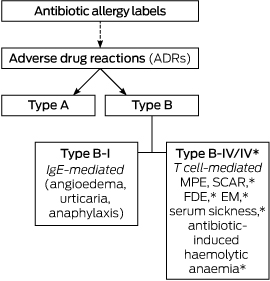
An AAL was defined as any reported antibiotic allergy or adverse drug reaction (ADR) recorded in the allergy section of the EMR, drug chart, or medical admission note. AALs were classified as either type A or type B ADRs according to previously published definitions (Box 1):12,13

  • type A: non-immune-mediated ADR consistent with a known drug side effect (eg, gastrointestinal upset);

  • type B: immune-mediated reactions consistent with an IgE-mediated (eg, angioedema, anaphylaxis, or urticaria = type B-I) or a T cell-mediated response (type B-IV):

    • Type B-IV: delayed benign maculopapular exanthema (MPE);

    • Type B-IV* (life-threatening in nature): severe cutaneous adverse reactions (SCAR),14 erythema multiforme (EM), fixed drug eruption (FDE), serum sickness, and antibiotic-induced haemolytic anaemia.

Study investigators JAT and AKA categorised AALs; if consensus could not be reached, a third investigator (LG) was recruited to adjudicate.

An AAL was defined as a “low risk phenotype” if it was consistent with a non-immune-mediated reaction (type A), delayed benign MPE without mucosal involvement that had occurred more than 10 years earlier (type B-IV), or an unknown reaction that had occurred more than 10 years earlier. Unknown reactions in patients who could not recall when the reaction had occurred were also classified as low risk phenotypes. All low risk phenotypes were ADRs that did not require hospitalisation. A “moderate risk phenotype” included an MPE or unknown reaction that had occurred within the past 10 years. A “high risk phenotype” was defined as any ADR reflecting an immediate reaction (type B-I) or non-MPE delayed hypersensitivity (type B-IV*).

AAL mismatch was defined as non-concordance between a patient’s self-reported description of an antibiotic ADR in the questionnaire and the recorded description in any of the medical record platforms (drug charts, medical admission notes, EMR). Infection diagnosis was classified according to Centers for Disease Control/National Healthcare Safety definitions.15

Statistical analysis

Statistical analyses were performed in Stata 12.0 (StataCorp). Variables of interest in the AAL and no antibiotic allergy label (NAAL) groups were compared. Categorical variables were compared in χ2 tests, and continuous variables with the Wilcoxon rank sum test. P < 0.05 (two-sided) was deemed statistically significant.

Ethics approval

The human research ethics committees of both Austin (LNR/15/Austin/93) and Alfred Health (project 184/15) approved the study.

Results

Antibiotic allergy label description and classification

The baseline patient demographics for the AAL and NAAL groups are shown in Box 2. Of the 453 patients initially identified, 107 (24%) had an AAL. A total of 160 individual AALs were recorded: 27 were type A (17%), 26 were type B-I (16%), 45 were type B-IV (28%), and 62 were of unknown type (39%) (Box 3). Sixteen of the type B-IV reactions (35%) were consistent with more severe phenotypes (type B-IV*). When the time frame criterion (more than 10 years v 10 years or less since the index reaction) was applied to phenotype definitions, this translated to 63% low risk (101 of 160), 4% moderate risk (7 of 160), and 32% high risk (52 of 160) phenotypes. The antibiotics implicated in AALs and their ADR classifications are summarised in Box 3; 34% of reactions were to simple penicillins, 13% to sulfonamide antimicrobials, and 11% to cephalosporins. Three AAL patients (2.8%) were referred to an allergy specialist for assessment (one with type A, two with type B-I reactions). No recorded AALs were associated with admission to an ICU, while eight either ended or occurred during the index hospital admission (two type A, five type B-I, and one type B-IV).

Antibiotic use

Ceftriaxone was prescribed more frequently for patients with AALs (29 of 89 [32%]) than for those in the NAAL group (74 of 368 [20%]; P = 0.02); flucloxacillin was prescribed less frequently (0 v 21 of 368 [5.7%]; P = 0.02). The rate of prescription of other restricted antibiotics, including carbapenems, monobactams, quinolones, glycopeptides and lincosamides, was low in both groups (Box 4).

Antibiotic cross-reactivity

Seventy patients had a documented reaction to a penicillin (a total of 72 penicillin AALs: 55 to penicillin V or G, eight to aminopenicillins, nine to anti-staphylococcal penicillins), including two patients with two separate penicillin allergy labels to members of different β-lactam classes. Of these, 23 (32.9%) were prescribed and tolerated cephalosporins (Box 5). Of the 55 patients with a penicillin V/G AAL, β-lactam antibiotics were prescribed for 19 patients (34%); one patient received aminopenicillins (1.8%), four first generation cephalosporins (7%), two second generation cephalosporins (3.6%), and 12 received third generation cephalosporins (21.8%). Conversely, 18 patients had documented ADRs to cephalosporins, with a total of 19 AALs (14 to first generation, one to second generation, two to third generation cephalosporins, and two to cephalosporins of unknown generation). Of these, five patients (27.8%) were again prescribed cephalosporins without any reaction, and a further five (27.8%) tolerated any penicillin (Box 5).

Eight patients with AALs (7%) were administered an antibiotic from the same antibiotic class. No adverse events were noted in any of the patients inadvertently re-challenged. Eighty-six AAL patients (77%) reported a history of taking any antibiotic after their index ADR event. Thirteen patients (12%) believed they had previously received an antibiotic to which they were considered allergic, 62 had not (58%), and 32 were unsure (30%).

Recording of AALs

Almost all AALs (156 of 160 [98%]) were documented in medication charts, but only 115 (72%) were documented in admission notes and 81 (51%) in the EMR. Twenty-five per cent of patients had an AAL mismatch. No patients received the exact antibiotic recorded in the AAL.

Hypothetical oral antibiotic re-challenge

Fifty-eight AAL patients (54%) were willing to undergo a hypothetical oral antibiotic re-challenge in a supervised environment, of whom 28 (48%) had a low risk phenotype, seven a moderate risk phenotype (12%), and 23 a high risk phenotype (40%). If patients had received and tolerated an antibiotic to which they were previously considered allergic, they were more likely to accept a hypothetical re-challenge than those who had not (9 of 12 [75%] v 3 of 12 [25%]; P = 0.04).

Discussion

The major users of antibiotics in community and hospital settings remain our expanding geriatric population.16 An accumulation of AALs, reflecting both genuine allergies (immune-mediated) and drug side effects or intolerances, follows years of antibiotic prescribing. This is reflected in the high AAL prevalence (24%) in our cohort of older Australian general medical inpatients, notably higher than the national average (18%) and closer to that reported for immune-compromised patients (20–23%).4,17

To understand the high prevalence of AALs and the predominance of low risk phenotypes in our study group requires an understanding of “penicillin past”, as many AALs are confounded by the impurity of early penicillin formulations and later penicillin contamination of cephalosporin products.18,19 Re-examining non-recent AALs of general medical inpatients is therefore potentially both a high yield and a low risk task, considering the low pre-test probability of a persistent genuine penicillin allergy.2022 While the definition of a low risk allergy phenotype is hypothetical, it is based upon findings that indicate the loss of allergy reactivity over time,20,21,23 the low rate of adverse responses to challenges in patients with mild delayed hypersensitivities,20,22,23 and the safety of oral challenge in patients with similar phenotypes.24

The high rate of type A, non-severe MPE and of non-recent unknown reactions in our patients (74% of all AALs; 63% low risk phenotypes) provides a large sample size to explore further, while the higher use of antibiotics that are the target of antimicrobial stewardship programs (eg, ceftriaxone) in AAL patients provides an impetus for change. The increased use of restricted antibiotics (eg, ceftriaxone and fluoroquinolones) and the reduced use of simple penicillins (eg, flucloxacillin) in patients with an AAL were marked. The effects of AALs on antibiotic prescribing have been described in large hospital cohorts and in specialist subgroups (eg, cancer patients).3,4 Associations between AALs and inferior patient outcomes, higher hospital costs and microbiological resistance have also been recently noted.24,8,17,25 Re-examining AALs in older patients from an antimicrobial stewardship viewpoint is therefore essential, particularly in an era when multidrug-resistant (MDR) organisms are being isolated more frequently in Australia.26 The fact that third generation cephalosporins and fluoroquinolones are associated with MDR organisms and with Clostridium difficile infection generation further supports the need for re-examining AALs, especially in those with easily resolved non-genuine allergies.2730

The high rate of potential patient acceptance of an oral re-challenge (54%), especially by those with low risk phenotypes (48%), suggests that this should be explored in prospective studies. The idea of an antibiotic allergy re-challenge of low risk phenotypes is a practical extension of the work by Blumenthal and colleagues,24 who found a sevenfold increase in β-lactam uptake and a low rate of adverse reactions. Another group found that oral re-challenge was safe in children with a history of delayed allergy.23 These are both important advances; while skin-prick allergy testing is sensitive for immediate penicillin hypersensitivity, skin testing (delayed intradermal and patch) lacks sensitivity for delayed hypersensitivities.8,22,31 Incident-free accidental re-challenge with the culprit antibiotic or a drug from a similar class had occurred in some of our patients, adding further support for exploring this approach. A structured oral re-challenge strategy is attractive, as skin-prick testing is potentially expensive and inaccessible for most people.8

Analysing the high rate of AAL mismatch may be a more pragmatic low-cost approach, as not only were AAL labels absent from a number of medical records, the EMR AAL often differed from patients’ reports. Incorrect and absent AALs in other centres have been raised as a concern from a drug safety viewpoint.6,7,10 Education programs aimed at improving clinicians’ (pharmacy and medical) understanding of allergy pathogenesis could also assist antibiotic prescribing in the presence of AALs.5,10 Interrogation of the patient and their relatives about allergy history and examination of blood investigations at the time of the ADR for evidence of end organ dysfunction or eosinophilia may also provide greater accuracy in phenotyping and severity assessment. Many accumulated childhood allergies reflect the infectious syndrome that resulted in the implicated antibiotic being prescribed, rather than an immunologically mediated drug hypersensitivity.21,23 Referral to allergy specialists at the time of drug hypersensitivity may also reduce over-labelling.

That a clinician questionnaire about antibiotic prescribing attitudes was not administered is a limitation of this study, as was the inability to obtain AAL information from all patients (eg, because of dementia or delirium) or to further clarify “unknown” reactions. Some AAL descriptions are also likely to be affected by recall bias; however, this reflects real world attitudes and prescribing in the presence of AALs. While the prevalence of AALs in younger patients is probably lower than found in this study, the distribution of genuine, non-genuine and low risk allergies may well be the same. In a group of paediatric patients with an AAL for β-lactam antibiotics following non-immediate mild cutaneous reactions without systemic symptoms, none experienced severe reactions after undergoing oral re-challenge.23

Conclusion

AALs were highly prevalent in our older inpatients, with a significant proportion involving non-genuine allergies (eg, drug side effects) and low risk phenotypes. Most patients were willing to undergo a supervised oral re-challenge if their allergy was deemed low risk. AALs were sometimes associated with inadvertent class re-challenges, facilitated by poor allergy documentation, without ill effect. AALs were also associated with increased prescribing of ceftriaxone and fluoroquinolone, antibiotics commonly restricted by antimicrobial stewardship programs. These findings inform a mandate to assess AALs in the interests of appropriate antibiotic use and drug safety. Prospective studies incorporating AALs into antimicrobial stewardship and clinical practice are required.

Box 1 –
Classification of reported antibiotic allergy labels into adverse drug reaction groups12,13


EM=erythema multiforme; FDE=fixed drug eruption; MPE=maculopapular exanthema; SCAR=severe cutaneous adverse reactions (includes Stevens–Johnson syndrome, toxic epidermal necrolysis, drug rash with eosinophilia and systemic symptoms, and acute generalised exathematous pustulosis). *These adverse reactions are classified as type B-IV* in this study, denoting their potentially life-threatening nature.

Box 2 –
Baseline demographics for patients with and without antibiotic allergy labels

Characteristic

Patients with an antibiotic allergy label

Patients with no antibiotic allergy label

P


Number

107

346

Median age [IQR], years

82 [74–87]

80 [71–88]

0.32

Sex, men*

38 (36%)

194 (56%)

< 0.001

Immunosuppressed

25 (23%)

29 (8%)

< 0.001

Median age-adjusted Charlson Comorbidity Index score [IQR]

6 [4–7]

6 [4–7]

0.17

Ethnicity

0.38

European

106 (99%)

334 (97%)

African

0

2 (1%)

Asian

1 (1%)

10 (3%)

Infection diagnosis

50 (47%)

140 (41%)

0.25

Infections (205 patients)

56

151

0.002

Cardiovascular system

0

2 (1%)

Central nervous system

1 (2%)

3 (2%)

Gastrointestinal

9 (16%)

9 (6%)

Eyes, ears, nose and throat

0

3 (2%)

Upper respiratory tract

7 (13%)

30 (20%)

Lower respiratory tract (including pneumonia)

12 (21%)

54 (36%)

Skin and soft tissue

7 (13%)

14 (9%)

Urinary system

11 (20%)

21 (14%)

Pyrexia (no source)

3 (5%)

4 (3%)

Sepsis (unspecified)

5 (9%)

8 (5%)

Other

0

2 (1%)

Received antibiotics

45 (42%)

162 (46%)

0.43


* There were a total of 232 men and 221 women in the study.

Box 3 –
Spectrum of implicated antibiotics linked with reported antibiotic allergy labels according to adverse drug reaction classification

Implicated antibiotics

Antibiotic allergy labels: adverse drug reactions


Type A

Type B


Unknown

Total

Type B-I

Type B-IV

Type B-IV*


All antibiotics

27 (17%)

26 (16%)

29 (18%)

16 (10%)

62 (39%)

160

Simple penicillins*

7 (26%)

14 (54%)

16 (55%)

4 (25%)

14 (23%)

55 (34%)

Aminopenicillins

1 (4%)

2 (8%)

2 (7%)

1 (6%)

2 (3%)

8 (5%)

Anti-staphylococcal penicillins

0

0

1 (3%)

5 (31%)

3 (5%)

9 (6%)

Cephalosporins

3 (11%)

1 (4%)

1 (3%)

2 (13%)

11 (18%)

18 (11%)

Carbapenems§

0

0

0

0

1 (2%)

1 (0.6%)

Monobactam

0

0

0

0

0

0

Fluoroquinolones

2 (7%)

0

2 (7%)

0

3 (5%)

7 (4%)

Glycopeptides

0

0

1 (3%)

1 (6%)

1 (2%)

3 (2%)

Lincosamides

0

0

1 (3%)

0

2 (3%)

3 (2%)

Tetracyclines

4 (15%)

1 (4%)

0

1 (6%)

5 (8%)

11 (7%)

Macrolides

1 (4%)

2 (8%)

1 (3%)

1 (6%)

6 (10%)

11 (7%)

Aminoglycosides

0

0

1 (3%)

0

0

1 (0.6%)

Sulfonamides

4 (15%)

4 (15%)

3 (10%)

1 (6%)

9 (15%)

21 (13%)

Others

5 (19%)

2 (8%)

0

0

5 (8%)

12 (8%)


All percentages are column percentages, except for the “all antibiotics” row. * Benzylpenicillin, phenoxymethylpenicillin, benzathine penicillin. † Amoxicillin, amoxicillin–clavulanate, ampicillin. ‡ Flucloxacillin, dicloxacillin, piperacillin–tazobactam, ticarcillin–clavulanate. § Meropenem, imipenem, ertapenem. ¶ Trimethoprim–sulfamethoxazole, sulfadiazine.

Box 4 –
Antibiotic use in patients with and without an antibiotic allergy label

Antibiotic class prescribed

Antibiotic prescriptions


P

Antibiotic allergy label group

No antibiotic allergy label group


Total number of patients

89

368

β-Lactam penicillins

14 (16%)

120 (35%)

0.02

Simple penicillins*

4 (5%)

32 (9%)

0.27

Aminopenicillins

8 (9%)

52 (14%)

0.22

Anti-staphylococcal penicillins

2 (2%)

36 (10%)

0.02

Carbapenems§

2 (2%)

5 (1%)

0.63

Cephalosporins (first/second generation)

8 (9%)

20 (5%)

0.22

Cephalosporins (third or later generation)

29 (33%)

82 (22%)

0.05

Monobactam

0

0

NA

Fluoroquinolones

5 (6%)

6 (2%)

0.04

Glycopeptides

3 (3%)

12 (3%)

1

Tetracyclines

6 (7%)

46 (13%)

0.14

Lincosamides

0

0

NA

Others

26 (29%)

109 (30%)

1


NA = not applicable. * Benzylpenicillin, phenoxymethylpenicillin, benzathine penicillin. † Amoxicillin, amoxicillin–clavulanate, ampicillin. ‡ Flucloxacillin, dicloxacillin, piperacillin–tazobactam, ticarcillin–clavulanate. § Meropenem, imipenem, ertapenem. Some patients received more than one antibiotic.

Box 5 –
Antibiotic use in patients with penicillin and cephalosporin antibiotic allergy labels


Patients with documented allergy to penicillins* (n = 70)

Antibiotics prescribed:

Any antibiotics

28 (40%)

More than one class of antibiotic

31 (44%)

Culprit group penicillins

1 (1.4%)

Non-culprit group penicillins

2 (2.9%)

First generation cephalosporins

4 (5.7%)

Second generation cephalosporins

2 (2.9%)

Third generation cephalosporins

17 (24%)

Carbapenems

2 (2.9%)

Fluoroquinolones

4 (5.7%)

Glycopeptides

2 (2.9%)

Aminoglycosides

2 (2.9%)

Lincosamides

0

Patients with documented allergy to cephalosporins (n = 18)

Antibiotics prescribed:

Any antibiotics

10 (56%)

More than one class of antibiotic

7 (39%)

Culprit generation cephalosporins

1 (5.6%)

Non-culprit generation cephalosporins

3 (17%)

Other

1 (5.6%)

Any penicillins*

5 (28%)

Carbapenems

1 (5.6%)

Fluoroquinolones

1 (5.6%)

Glycopeptides

1 (5.6%)

Aminoglycosides

1 (5.6%)

Lincosamides

0


* Penicillins (benzylpenicillin, phenoxymethylpenicillin, benzathine penicillin); aminopenicillins (amoxicillin, amoxicillin–clavulanate, ampicillin), and anti-staphylococcal penicillins (flucloxacillin, dicloxacillin, ticarcillin–clavulanate and piperacillin–tazobactam). † Prescription of culprit group penicillin: received any penicillin from the same group as that to which the patient is allergic. This patient had a documented allergy to an unknown generation of cephalosporin, and received ceftriaxone.

Closing the million patient gap of uncontrolled asthma

Australia’s burden of asthma requires structural reform in health care delivery

Asthma control is the principal aim of asthma management. Uncontrolled asthma impairs quality of life, increases exacerbation frequency, heightens risk of death, and is four times more costly to treat than controlled asthma. Therefore, results from a web-based Australian asthma survey are disappointing and disquieting.1

One-quarter of respondents did not regularly use asthma preventers, despite having uncontrolled asthma. Another 20% of respondents had uncontrolled symptoms even while regularly using preventers. If these figures are truly representative of the nation’s 2.3 million people with asthma, they suggest that about one million Australians have uncontrolled asthma. This is despite the fact that asthma guidelines have been available for 26 years.2,3 Fundamental reforms to providing asthma care are therefore needed. A new National Asthma Strategy is on its way, and may provide a platform for structural changes.4

The first therapeutic gap highlighted by the web-based survey was the lack of regular preventer use by many patients, despite having uncontrolled symptoms.1 These patients seemed to favour immediate symptom relief over long term disease control.1 Ironically, the present dispensing system reinforces such behaviour. Relievers are readily available over the counter, but preventers require prescriptions, necessitating additional effort, time and expense.

The logical solution to this problem is to re-design access to asthma medications. Preventers must be made more accessible. It is encouraging that the possibility of dispensing low-dose inhaled corticosteroids without prescription is now under discussion.4

A less palatable but arguably more important measure would be to detect and attempt to reduce the high volume dispensing of relievers without adequate concomitant preventers, because this pattern of medication use is implicated in asthma deaths.5 Such a move would require electronic coordination across pharmacies, with the ability to trigger referral for asthma review.6

These proposals would increase the rate of preventer dispensing, but they cannot guarantee adherence. One reliable way to improve preventer use would be to launch and promote a combined short-acting reliever and steroid preventer in a single device. This would ensure that every dose of reliever was accompanied by a corresponding dose of preventer. There is now evidence that as-needed use of an inhaled corticosteroid combined with a short-acting β-agonist improves symptoms in mild persistent asthma.7 There is less support for this approach in moderate to severe asthma, but an inhaled corticosteroid combined with a long-acting β-agonist may be used instead in such patients, for prevention and relief.8

The second therapeutic gap identified by the survey relates to patients who claim to take regular preventers, but whose asthma remains uncontrolled. The drivers for this situation are complex. Important contributing factors to this problem probably include limited understanding of the disease, incorrect inhaler technique, ongoing smoking and insufficient attention to other asthma triggers, such as aero-allergens, occupational exposures and non-specific irritants.3 These problems are challenging to solve within general practice consultations, and rebates may need to be adjusted so they are based on realistic consultation times. An alternative approach also under consideration is to fund asthma educators and organise the appropriate credentials for them.4 Finally, more patients could be encouraged to schedule regular reviews; for example, by discounting medication costs for those who do.

Even with optimal asthma management in primary care, a small proportion of patients will continue to have uncontrolled asthma, some of whom may be insensitive to corticosteroid-based therapies.3,9 These patients need to be reviewed by respiratory specialists, and automated prompts to activate referrals should be built into asthma review programs.

For the most challenging patients, evaluation at a dedicated “difficult asthma” centre provides additional benefits for outpatient respiratory consultations.10 Many of these patients will have truly severe asthma, but there are also high rates of misdiagnosis, comorbidities and psychosocial factors. According to results from a recent uncontrolled study, dealing with these issues through comprehensive multidisciplinary assessment can improve quality of life and use of health care services, and can also define the patient subgroups most likely to respond to the expensive biological agents now entering clinical practice.11

In the United Kingdom, there are at least 11 specialised centres for treating difficult asthma that operate along similar lines.11 In Australia, this concept is less well developed, and services with interest in difficult asthma vary widely in the scope of their protocols and the extent of multidisciplinary support. Agreement is needed on which patients warrant extensive assessment, and how such patients should be evaluated. Resources could then be channelled to match demand.

We suggest radical steps to curb excessive reliance on relievers, enhance preventer adherence, encourage asthma review, and provide specialised evaluation for the most complex patients. The ultimate challenge is to fully integrate all these measures for maximal impact. Technological solutions are necessary for unhindered data sharing and seamless clinical transition across all levels of asthma care.6

Asthma management in Australia has come a long way, but innovative strategies are needed to bridge the remaining gaps.

Affordable access to innovative cancer medicines — don’t forget the prices

Efforts to improve access to cancer medicines should not overlook exorbitant prices

On 17 September 2015, the much anticipated Senate report on the Availability of new, innovative and specialist cancer drugs in Australia was released.1 The inquiry preceding the report, which was triggered by concerns about inadequate and inequitable access to cancer medicines, had attracted over 200 submissions from doctors, patients, patient advocacy groups and government decision makers.

The report addressed the health burden of cancer on our society; the impact on patients of delayed access to cancer medicines; and the challenges of assessing cost-effectiveness, particularly for rare cancers. It also focused on ways of improving Australia’s processes of health technology assessment (HTA), by which we determine whether medicines are safe, effective and cost-effective.

Australia’s health technology assessment processes

In Australia, HTAs for medicines are carried out in two phases. First, a pharmaceutical company makes a submission to the Therapeutic Goods Administration, which assesses a medicine’s efficacy and safety. If the medicine is approved, an application can be made to the Pharmaceutical Benefits Advisory Committee (PBAC) to have the medicine subsidised by the Pharmaceutical Benefits Scheme (PBS). The PBAC assesses whether the medicine is cost-effective in comparison with existing therapies. For targeted therapies, approval may also be sought from the Medical Services Advisory Committee for “companion diagnostics” that determine whether patients are likely to respond to the treatment. If medicines are not subsidised by the PBS, patients and their doctors have to find other means to gain access to them, which may include enrolling in clinical trials, seeking treatment through public hospitals or appealing to pharmaceutical companies for free or subsidised access. If unsuccessful, patients are left with the pressure of raising the money themselves or having to forgo treatment.

Those advocating in the Senate report for reform argued that patients are forced into these situations far too often because Australia’s HTA processes are antiquated, inflexible, unpredictable and inequitable — particularly for those with rare cancers, young people with cancer, and cancer patients located in rural and remote regions.

Proposed solutions to these problems included:

  • providing multiple HTA pathways;

  • prioritising the resources of regulators and payers so that the most important and complex medicine applications are given the most attention;

  • enabling better coordination between decision-making bodies to speed up decisions;

  • enabling better communication with pharmaceutical companies to set expectations early and thereby reduce failures;

  • leveraging off decisions made by overseas regulators with comparable evidence standards;

  • taking greater account of indirect economic benefits and outcomes, such as improvements in productivity; and

  • having greater focus on outcomes important to patients and doctors.

It was also suggested that because companies may not be commercially motivated to seek approval for non-commercially attractive uses of their products, it should be made easier for physicians, patient advocates and other stakeholders to make applications. To help regulators and payers make timely decisions, often in the midst of great uncertainty about real benefits, harms and costs, it was also proposed that there should be broader use of “managed entry” schemes in Australia — that is, schemes in which further evidence is generated after approval by the regulator or payer.

Cost of new cancer drugs

While it is important for Australia to refine its HTA principles and processes, what was notably absent from the Senate report was an in-depth consideration of why new cancer medicines cost so much, and what can be done about it. Many new cancer drugs cost more than $100 000 per treatment,2,3 and it has been shown that in the United States the launch price of cancer medicines has increased by 10% per annum over almost 20 years.4 These prices mean that unsubsidised medicines are well out of the reach of all but the wealthiest individuals, and they place intense political pressure on governments to subsidise medicines that would otherwise have been considered too expensive or supported by insufficient evidence.

The report’s overlooking of drug prices is significant because adjusting HTA processes to provide earlier access to more drugs without reforming the way we price cancer drugs will mean an increasingly large proportion of our health budget will be directed to medicines in general, and cancer medicines in particular. This has the potential to create enormous opportunity costs and inequities elsewhere in the system.

In this regard, there are lessons to be learned from other jurisdictions. In its submission, the Society of Hospital Pharmacists of Australia poignantly notes that the United Kingdom’s Cancer Drugs Fund, which was set up to provide access to cancer drugs not approved by the National Institute for Health and Care Excellence, has inadvertently resulted in the UK paying more for cancer drugs than most other European countries, and ultimately resulted in 25 of the 84 previously listed cancer medicines not being funded in 2015–16.

The pressure on governments is likely to get worse. According to the Pharmaceutical Research and Manufacturers of America, there are almost 800 drugs in development for cancer, of which 98 are for lung cancer, 87 for leukaemia, 78 for lymphoma, 73 for breast cancer, 56 for skin cancer and 48 for ovarian cancer.5 A recent report by the IMS Institute predicts that 225 new medicines will enter the market over the next 5 years, and that cancer treatments represent the highest proportion of these drugs.6 Of the cancer medicines being developed, 91% will be targeted therapies, which is likely to make these medicines more expensive. Pressure on budgets will therefore only increase if something is not done now about cancer drug prices.

Perhaps one reason the Senate report focused so much on HTA, and not on drug prices, is that price and profit expectations for pharmaceutical markets are set internationally, and Australia is a small player in this market. Part of the pharmaceutical industry’s global strategy includes setting high pricing precedents, typically in the US market. Although companies do negotiate different prices elsewhere in the world, there is a limit to their willingness to do so.

It is interesting, however, to observe that the US — traditionally the bastion of medicine price deregulation — now recognises that high drug prices are the biggest barrier to patient access, and questions are beginning to emerge about the legitimacy of the prices being charged. A new Bill has recently been submitted to the US Congress seeking to empower the nation’s Medicare system (which provides public health care primarily to people aged 65 years and older) to drive down prices, and to demand reports about expenditure and profits for each drug listed with the US Food and Drug Administration, including overseas sales.7 No doubt, recent scandals relating to unjustifiable price hikes — most notably the more than 5000% increase for 60-year-old drug pyrimethamine (Daraprim), used to treat infections such as malaria8 — has contributed to the recent spike in unease about medicine pricing.

A few submissions to the Senate report did make mention of the need for new approaches to purchasing medicines. Rare Cancers Australia, for example, recommended treating medicines as a service, wherein licences to use medicines, rather than the medicines themselves, are bought and sold. The advantage of this approach is that regardless of how much of a medicine is used, the licensing fee remains fixed, removing any incentive to overprescribe or aggressively promote use of a medicine. If such licences are not linked to specific indications, this model may also provide subsidised access to off-label drugs to treat patients with rare cancers.

Social impact bonds are another possible approach that was recommended by the Cancer Drugs Alliance. A social impact bond is a means to attract non-government investment into projects that resolve social problems that have traditionally relied on relatively small-scale support from trusts and foundations. The premise is that dealing with acute social problems early (eg, severe suffering from cancer) will lead to less expensive interventions and therefore savings for governments, of which a proportion is provided to investors as reward.9

Where to from here?

Such dramatic changes to how we procure medicines will need to be considered carefully and adopted gradually, and perhaps all Australia can do for now is wait for global drug pricing trends to adjust. Meanwhile, we need to be cautious about demands to radically overhaul HTA processes that might actually be working quite well. For example, when it comes to managed entry programs, it has to be recognised that current evidence standards have evolved for a reason, and it is extremely difficult to disinvest if a medicine subsequently proves to be ineffective, unsafe, poor value for money or simply unaffordable. It is therefore crucial for decision makers to separate the real value of cancer medicines from the hype that often surrounds them — using, for example, a tool developed by the European Society for Medical Oncology that ranks the “clinically meaningful benefit” that can be expected from new cancer treatments.10

One change that we can safely make now is to advocate for greater transparency surrounding both HTA and price negotiations. At present, decisions about access to cancer medicines are made behind closed doors, largely because of the perceived need to maintain commercial confidentiality. It is understandable that companies would not want to completely reveal their commercial interests, but without greater openness about how funding decisions are made, and how medicine prices are linked to underlying research and development, manufacturing and operational costs, we will remain unable to optimise the utilisation of our health resources in a way that works for both society and the pharmaceutical industry.

Resistance sans frontières: containing antimicrobial resistance nationally and globally

Coordinated action on several fronts is required

Antimicrobial resistance is everywhere, and everywhere invisible. Bacteria, which comprise the bulk of microscopic life, have lived on planet Earth for 3.4 billion years, giving them a huge amount of time to diversify, to establish themselves in almost all terrestrial and aquatic niches, and to develop advanced survival skills. Antimicrobial resistance is one of these skills. The agility with which bacteria acquire resistance to antimicrobial drugs is a perfect demonstration of those skills and of Darwin’s “survival of the fittest”.

Antimicrobials developed for therapeutic use are a very recent addition to the range of toxins in the bacterial environment. The introduction of sulfonamides in the 1930s was followed in the early 1940s by the development of penicillin, the first “miracle drug”, capable of killing bacteria causing infection in host tissues while causing no harm to the host.1 Resistance to both drug types emerged quite rapidly after their introduction into medical practice.2 Resistance has since developed, sooner or later, to all other classes of antimicrobials that have made their way into human and veterinary medicine, and into other fields of human activity.

Wherever antimicrobials are used, bacteria will be exposed and ultimately acquire resistance, by mutation or, more commonly, by acquiring resistance genes from other bacteria or the environment. The same is true for antiseptic agents, which are, in reality, antimicrobials that can only be safely administered topically. Although we are familiar with their use in humans, antimicrobials are currently used in a variety of other settings for the treatment and control of bacterial infections: in food-producing animals, companion animals, performance animals; in aquaculture, apiculture, and agriculture. We are extending the reach of antimicrobials by including antiseptics in home cleaning and personal hygiene products.

The alarm bells about resistance have been ringing for some time, but it has taken more than 20 years and several false starts before minds have responded collectively and focused on controlling resistance nationally and internationally. Antimicrobial resistance is now a major item on the agendas of the World Health Assembly3 and the World Organisation for Animal Health (OIE),4 and has been revived as a major work focus for both the World Health Organization and the OIE. Many developed and some developing countries have generated strategies and action plans in recent years; Australia did so in 2015, when it released Australia’s First National Antimicrobial Resistance Strategy.5 Although not the first attempt in this country to address the problem of resistance,6,7 it was the first to fully embrace the idea that resistance has no borders, ensuring that all aspects of antimicrobial use and resistance were considered. Both the Department of Health, and the Department of Agriculture and Water Resources drove the development of the Strategy.

What does the Strategy hope to achieve? It incorporates seven objectives, each with a strong motivation to cut through and achieve the changes needed to make a difference.

Increase awareness and understanding: There is ample evidence that most in our community have a poor understanding of what antibiotics can and cannot do, and what resistance is. At least half believe that antibiotics will help with the common cold, and many also believe that antimicrobial resistance means that they personally become resistant to antibiotics. NPS MedicineWise has been running advertising and other programs in response to this problem,8 but the impact has yet to be fully felt. Awareness and understanding are also sometimes lacking among prescribers. Although almost all doctors and veterinarians prescribe antimicrobials as part of their daily practice, few are aware of rational prescribing principles and their benefits. Doctors and vets need to improve their own awareness and understanding, as well as that of their clients, of the negative effects of using antimicrobials inappropriately.

Implement effective antimicrobial stewardship: Antimicrobial stewardship is the coordination of activities to ensure and promote rational prescribing in a defined context; for example, in hospitals, in the community, or in veterinary practice. Having a stewardship program is now part of hospital accreditation requirements, thanks to the efforts over many years of the Australian Commission on Safety and Quality in Health Care (ACSQHC).9 There is an obvious need to extend stewardship into residential aged care, general practice, small animal and equine practice, and food animal practice. The establishment last year of a Centre for Research Excellence, the National Centre for Antimicrobial Stewardship, will lay the groundwork for the development of stewardship programs in all these areas.

Develop national surveillance: Without surveillance data it is impossible to know which control strategies are effective, or how effective they are. Although Australia has for some decades had several antimicrobial use and resistance surveillance programs in human medicine, their work has lacked coordination and correlation. The ACSQHC has received funding for the development of a national coordinated use and resistance surveillance system for human health, due for completion by June 2016. This project will coordinate all existing programs, enhance them as needed, and fill important gaps, including through regular and timely reporting and trend analysis of antimicrobial dispensing data from the Pharmaceutical Benefits Scheme, and linking data on antimicrobial resistance from laboratory information systems around the country. On the veterinary and agriculture side, there have been a number of small pilot programs. Funding was recently found for a project in pig production, and there is interest in extending this initiative to the poultry sector. However, more needs to be done to establish a national surveillance program in the non-human sector that is integrated with surveillance in the human community.

Improve infection prevention and control: Control of antimicrobial use is essential, but by itself is insufficient to control the spread of antimicrobial resistance. Controlling the spread of bacterial diseases (eg, with vaccines) is a very effective way of reducing the need for antimicrobials. Infection prevention and control systems are essential components of resistance containment. Australia has national infection control guidelines for human health,10 and infection control systems are a mandatory requirement of hospital accreditation. In the non-human sectors, infection control is a key part of animal husbandry in intensive food animal industries. In veterinary practice, guidelines on infection prevention and control are available, including information on personal protection for vets and staff;11 however, more could be done to prevent the spread of infection between animals.

Agree on a national research agenda: Containing antimicrobial resistance is not currently an explicit research priority in Australia. The National Health and Medical Research Council, the Australian Research Council and other funding bodies support research in antimicrobial resistance, but only on a competitive funding basis (ie, in competition with all other types of research). While some excellent studies have been supported by these organisations, there is no strategic or targeted approach which ensures that the most important research questions are prioritised, such as new drug discovery and development, rapid diagnostics, and the identification of optimal education, community and professional strategies.

Strengthen international collaboration: Australia may be an island, but we are certainly not protected from exposure to new resistances. We have a long history of effective control of the introduction of exotic infectious diseases, but have not yet recognised that the same objective should apply to exotic resistances. The recent introduction in Victoria of an exotic resistance to last-line antibiotics (carbapenem resistance), with subsequent spread in the human population, highlights the fact that this aspect of resistance crossing borders cannot be neglected.12 Developing partnerships with countries across the world will assist Australia to learn from international best practice, avoid duplication of effort, contribute to public health outcomes in our region, and provide early warning of emerging threats.

Establish and support clear governance: None of these objectives can work without a clear, forward-looking and stable governance structure. As a federation, our national strategy requires the cooperation and coordination of the activities of nine governments and, more importantly, of numerous ministries and agencies. This is where the national Antimicrobial Resistance Prevention and Containment (AMRPC) Steering Group, reporting to the federal ministers for Health and Agriculture, supported by the Australian Strategic and Technical Advisory Group, and working in collaboration with the Australian Health Protection Principal Committee, is forging the way forward. A coordinated approach is essential. The efforts of these groups will align with international efforts and contribute to the global control of antimicrobial resistance.

All prescribers and users of antimicrobials have a responsibility to preserve their long term effectiveness and to protect the health of their nation’s citizens, animals and ecosystems. With the ever increasing global movements of people, animals and goods, all nations must work together to protect each other. Resistant bugs don’t respect borders.