×

Woman regains sight in some of her multiple personalities

A woman in Germany who was blind for 17 years has regained her sight, in all but two of her multiple personalities.

The woman, ‘B.T’ suffered an accident in her younger years and gradually lost her vision. According to a study in PsyCh journal, at the time, doctors diagnosed her with cortical blindness from the trauma of the accident.

Years later, she visited Munich psychotherapist Dr Bruno Waldvogel to help with her dissociative identity disorder. Previously referred to as multiple personality disorder, it causes sufferers to have two or more distinct personality types or states. The main cause is severe and repeated trauma in childhood, often before the age of 5.

Dr Waldvogel noted that B.T experienced over 10 different personalities of varying ages, genders, temperaments and other personality traits. Some spoke German, others English and others a mixture of both as she had spent time in her childhood in an English-speaking country.

After four years of psychotherapy, she started seeing letters on a page while she was in one of her adolescent male states. In time, all but two of her personalities were able to regain sight.

An EEG test proved that B.T wasn’t lying about her disability. In one of her two blind states, her brain showed it wasn’t responding to the visual stimuli that sighted people would respond to, despite her looking straight at it.

Related: Changes in psychological distress and psychosocial functioning in young people visiting headspace centres for mental health problems

When she was tested with her sighted personality, her response was normal and stable. They noted in the study that “a switch between these states could happen within seconds”.

Researchers believe that the loss of the woman’s vision was actually of a psychogenic nature and that the two blind personality states are possibly for retreat.

Research author Dr. Hans Strasburger of Ludwig Maximilian University said in an article in Braindecoder: “In situations that are particularly emotionally intense, the patient occasionally feels the wish to become blind, and thus not ‘need to see.'”

B.T.’s case shows that “differences between personality states are not limited to higher-level processing but can differ with respect to the fundamental processing of early sensory information and corresponding perceptual change,” they said. “It therefore provides compelling evidence for the existence of the dissociated identities in a more biological sense.”

Read more about the study in PsyCh Journal.

Latest news:

[Clinical Picture] Immune-mediated necrotising myopathy linked to statin use

In December, 2013, a 59-year-old man presented to the Neurology Department with progressive pelvic girdle myalgia and proximal weakness so severe that he needed help walking. His myalgia had started in March, 2012, 4 months after starting atorvastatin, and had persisted despite discontinuation of the statin in September, 2013. On examination we noted severe proximal paraparesis. Laboratory tests revealed substantially raised serum creatine kinase concentration (3453 U/L, normal range <171 U/L) but no sign of systemic inflammation.

Roller coasters and cervical artery dissection

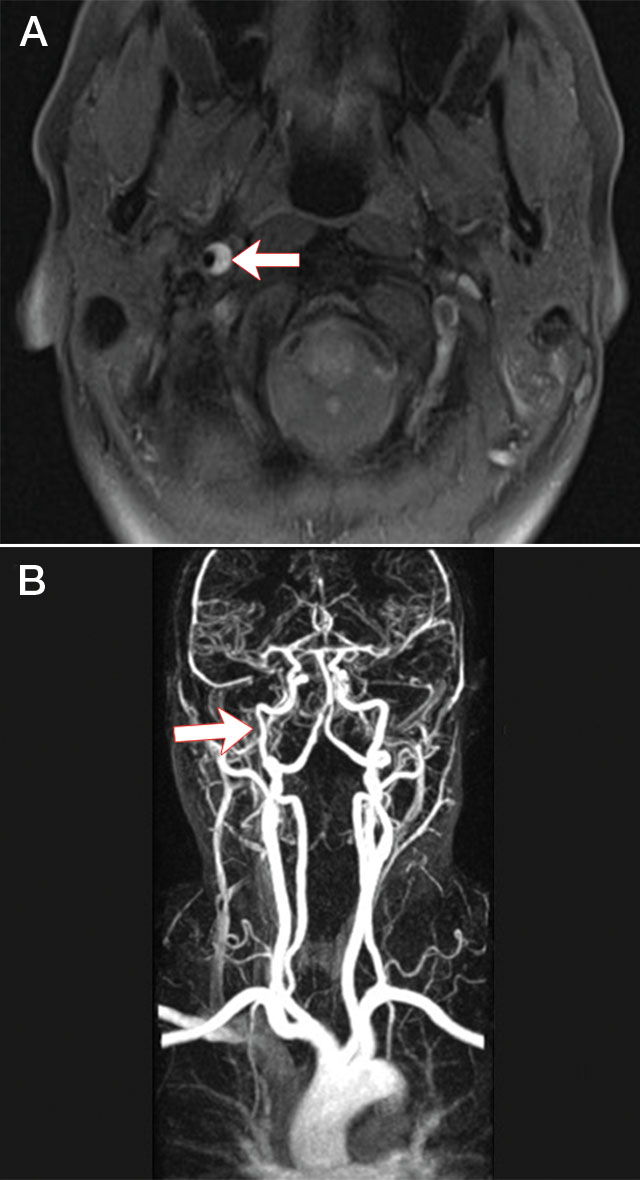
A 42-year-old woman with no vascular risk factors was admitted with neck pain and right Horner syndrome after riding a roller coaster. Magnetic resonance imaging (MRI) of her neck showed a characteristic crescent-shaped intramural haematoma in the right internal carotid artery1 (Figure, A), confirmed by magnetic resonance angiogram (MRA) (Figure, B). T1-fat-suppressed MRI and arterial wall imaging are currently the most sensitive techniques for diagnosis of dissection. Riding roller coasters has been associated with shearing neck injury leading to cervical artery dissection.2 Our patient was treated with warfarin for 6 months, leading to the intramural haematoma resolving and the Horner syndrome greatly improving.

Figure


A. T1-fat-suppressed MRI of neck. Arrow: intramural haematoma in right internal carotid artery. B. MRA of neck. Arrow: narrowing of C1 segment of right internal carotid artery.

Toilet bowl palsy from prolonged prayer posture

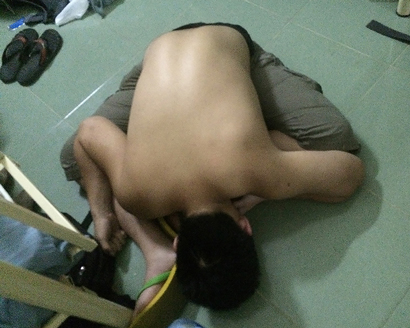
An 18-year-old man was admitted to a Cambodian hospital with severe bilateral lower leg weakness and an acute kidney injury requiring renal replacement therapy. Three days before his hospitalisation, he had consumed tramadol hydrochloride and codeine phosphate, and injected heroin. While intoxicated in his hostel, he adopted a prayer posture (Box) and subsequently lost consciousness, remaining in this position for 8 hours on a tiled floor. Upon regaining consciousness, he was unable to stand due to a profound weakness in both legs that persisted for 3 days. During this time his urine changed to a cola colour although it was of normal volume. On the fourth day of ongoing symptoms, the patient sought medical care and was found to be in acute renal failure. He received two sessions of haemodialysis.

After his discharge from the intensive care unit, the patient’s mother escorted him to an Australian hospital. On presentation to the emergency department, he was oriented to time and place, but had persisting weakness, loss of sensation in his lower limbs and an ulnar nerve paresis. An isolated patch of paraesthesia over the forehead was noted at the site of contact with the ground. He had no features of uraemia. He was anuric and tests showed a creatinine level of 1040 μmol/L (reference interval [RI], 73–108 μmol/L) and a markedly elevated creatine kinase level of 123 000 U/L (RI, 46–171 U/L). Urine was positive for urine myoglobin of 2850 μg/L (RI, < 10 μg/L). A diagnosis of acute renal failure secondary to rhabdomyolysis was made.

The patient received haemodialysis for 5 hours on alternate days until Day 17, when his renal function had sufficiently improved. Despite daily physiotherapy the patient made minimal gains in his lower limb power, with ankle power of 0/5 bilaterally. Neurologists diagnosed the patient with bilateral sciatic nerve compression due to “toilet bowl palsy”. This was thought to be secondary to direct compression of the nerve, a posterior thigh compartment syndrome and a stretch radiculopathy. He was transferred to a rehabilitation unit for further care. Upon review at 2 months, he had improvement of proximal muscle power but bilateral foot drop persisted.

Toilet bowl palsy is a rare condition characterised by bilateral sciatic nerve palsy from maintaining a prolonged abnormal posture. It arises from a period of immobility while sitting on a hard surface and is often associated with substance abuse. It can be iatrogenic (positioning in surgery) or can occur spontaneously, usually from toilet seat entrapment,13 yoga positioning,1 overstretching1 or, as in this case, maintaining a prayer posture for a prolonged period of time. This case highlights the severe and often irreversible nerve damage arising from toilet bowl palsy.

Box –


Patient in prayer posture, which was maintained for 8 hours.

Match of the decade: risk management of concussion versus high-speed collisions in the football codes

Do we need to change the way body-contact sports are played and administered?

Australians like to boast, as many nations do, that we are one of the most sports-obsessed societies in the world. To justify our belief, we can emphasise our sporting contributions to the world’s modern entertainment culture. One can draw the analogy that Australia is to the football codes what Switzerland is to language. The mastery of German, French, Italian and, for the most part English, by the citizens of Switzerland is lauded for the achievement that it is. In Australia, we could argue a similar cultural achievement in hosting very well attended high-quality games of Australian football (Australian Football League [AFL]), rugby league (National Rugby League [NRL]), rugby union and soccer (football). We should perhaps celebrate more the biography of Tom Wills by Sydney psychiatrist Greg de Moore as an Australian history work of international interest that explores the development of some of the sports that dominate modern culture.1

Undoubtedly the world’s predominant sport is soccer football and, on the world stage, Australia is a small player in this game. Yet the other football codes popular here can all claim to thrive in their smaller patches, not because of world dominance but because of particular excitements such as higher scoring and regular intense collisions between players.

At the extreme of the football codes, boasting the greatest number and most violent of collisions, is American football (National Football League [NFL]). Because of unlimited substitutions, heavy protective equipment and an enormous numbers of stoppages and of players on the interchange bench, American football has done away with any meaningful need for endurance, allowing players to completely focus on strength and speed. This has not hurt its popularity at all; the NFL is the best attended (by average attendance) of all sports leagues in the world. However, the rate of high-speed collisions has meant that the NFL has entered what is being dubbed the “concussion crisis” era. Neurodegenerative disease associated with the sport of boxing was described as long ago as the 1920s.2 There is increasing concern among retired American footballers that head impact exposure and recurrent concussions contribute to long-term neurological sequelae including chronic traumatic encephalopathy and chronic neurocognitive impairment (CNI),35 although the surmised cause-and-effect relationship with concussion is controversial.6 The NFL has settled a lawsuit with retired players of close to US$1 billion as compensation for these conditions.7 On the field, the NFL have instituted measures such as a concussion rule, meaning that players must leave the game on being diagnosed with concussion, and that independent doctors oversee the diagnostic process (and, in particular, check that team doctors are not getting overruled by coaching staff).

Aside from sport, it is fair to say that Australia also prides itself on the quality of its doctors and medical system. The ripple effect of the NFL concussion crisis is already being felt strongly in the Australian football codes,8,9 which now generally have measures in place to follow the Zurich concussion consensus guidelines.10 Within the sports, some conflict has developed between traditionalists (many of the fans, players and coaches) who treasure the excitement of high-speed collisions, and what could be termed the public heath lobby (many doctors, lawyers, risk-management experts and some parents choosing which sports to let their children play). In sports that have not yet documented any cases of chronic traumatic encephalopathy or increased risks of post-career CNI, how much should rules and guidelines be changed to prevent head collisions and players who possibly have concussion continuing to play? The football codes in Australia have now instituted concussion rules (that players must be removed from play if they show signs of or are diagnosed with concussion). In addition, rugby union and rugby league have banned shoulder charges and lifting/tip tackles because of the high risk of injury, and the AFL has introduced a wide range of rule changes to improve player safety.11 In Australia, as in other countries, there are limited publications to date on the average state of retired professional footballers in each of the codes, even though we do have some of the world’s most recognised researchers of concussion in sport.12 It is expected that any extent of post-career CNI in the other football codes would be probably be lower than that observed in American football, because these codes have more of an endurance athlete base and generate fewer high-speed collisions. However, without a full documentation of the problem, it is hard to know how much of a public health imperative there is to change the nature of the various games.

A paradoxical problem that the other football codes have compared with the NFL is the various substitution rules.13 Unlimited substitution in the NFL has fed the beast of massive player size and greater momentum in collisions. However, it does allow unlimited removal of players from the match and immediate replacement with a like-for-like positional specialist. In all of the other football codes, substitution is a limited resource and can deplete a team’s chance of winning when used up. The limits on the numbers of players on the bench mean that a like-for-like positional specialist may not even be available to replace a concussed player who needs to be substituted. The problem is compounded by both player reluctance to “let the team down” in acquiescing to being replaced when concussed, and the reality that history has shown that some concussed players can actually maintain a high level of motor performance despite clearly having sustained a concussion.

The issues in amateur sport are slightly different. It is easier to accept an attitude of the “player’s long-term health” being more important than “win at all costs” at amateur level, but the practicality of making a concussion diagnosis is more difficult. A player with concussion may not have the mental capacity to make the sensible decision to exclude him or herself from further play on that day, but at amateur level when there may be no medical staff present, who takes responsibility for this decision?

The new environment of professional football has led to some disagreements within the sports medicine profession. There are some team doctors who take great affront at the suggestion that their medical decision making could ever be compromised by the game context and insist that they can maintain control over the decisions of exclusion or return to play during a game. Other team doctors, perhaps having been in the situation of being subjected to extreme pressure by the coaching staff or even having their medical decisions overruled, feel that concussion-management decisions should now be made by independent doctors. The professional sporting team environment (of being in a somewhat subordinate role to coaching staff or management) is an unfamiliar one for many doctors who are used to a position at the top of a workplace hierarchy. Along similar lines, some team doctors feel that the numbers of replacement players need to be increased to reduce the potential penalty to a team of excluding a concussed player. Others are concerned that increases in the size of the replacement pool of players are unnecessary and may herald a trend in the NFL direction of breeding bigger athletes, making the potential for high-speed collisions even greater.

If it is a cliché that every medical journal opinion piece ends with a call for more research to be done, this one can end with the observation that Australia is a country where much extra research can be done on concussion in sport. The permutations of player size, speed, number of collisions, substitutions allowed and amount of game time are greatest here in the country that hosts the greatest number of football matches with unique rules.

Beware of blotting paper hallucinogens: severe toxicity with NBOMes

Clinical record

16-year-old male presented to the emergency department after ingesting what he believed to be LSD (lysergic acid diethylamide) on red blotting paper while camping with friends in rural New South Wales in late 2014. He had no past medical or mental health history, and was taking no regular medications. He had three seizures before arriving in the ED, where his Glasgow coma scale score was 9. He had a fourth seizure about 1 hour after presenting, and was given 5 mg midazolam intravenously. His initial venous blood gas parameters were: pH 6.93 (reference range [RR], 7.35–7.45); PCO2, 120 mmHg (RR, 35–48 mmHg); and base excess, −7 (RR, 0.5–1.6). He was then intubated, ventilated, paralysed with rocuronium, and sedated with morphine/midazolam for transfer to a tertiary intensive care unit. His heart rate was 70 bpm, his blood pressure 130/60 mmHg, and he was afebrile after intubation. Over the next 3 hours and before medical retrieval, his blood gases normalised with improved ventilation (pH 7.4; PCO2, 29.6 mmHg).

He had no further seizures after his transfer to the tertiary intensive care unit. His overnight urine output was initially reduced; this improved with increased fluid replacement. On arrival at the intensive care unit, his blood parameters were: white cell count, 16.3 × 10⁹/L (RR, 4–11 × 109/L); neutrophils 12.1 × 10⁹/L (RR, 1.7–8.8 × 10⁹/L); haemoglobin, 136 g/L (RR, 130–180 g/L); platelets, 198 × 109/L (RR, 150–400 × 109/L); sodium, 142 mM (RR, 134–145 mM); potassium, 3.9 mM (RR, 3.5–5.0 mM); and creatinine, 108 mM (64–104 mM). He remained haemodynamically stable and was extubated the following day. He was transferred to the paediatric ward, and on Day 2 his creatinine and creatine kinase levels were rising, with normal urine output (Figure). Except for some initial nausea that lasted for 24 hours after extubation, he had no other symptoms over the next 3 days, and experienced no hallucinations or agitation. His creatinine levels peaked at 246 mM [RR, 64–104 mM] 37.5 hours after ingestion, and his creatine kinase levels peaked at 34 778 U/L (RR, 1–370 U/L) 90 hours after ingestion. He was discharged well on Day 5 without complications.

NBOMe assays are not currently part of routine emergency toxicology testing; worldwide, only a few forensic and commercial laboratories offer qualitative NBOMe testing in blood or urine. Blood specimens from the patient were sent to the Department of Pathology at Virginia Commonwealth University (USA) for NBOMe detection and quantification. The specimens were tested by previously validated high-performance liquid chromatography/mass spectrometry assays.1,2 25B-NBOMe was detected in the blood specimen at a concentration of 0.089 μg/L, 22 hours after ingestion.

Dimethoxyphenyl-N-[(2-methoxyphenyl)methyl]ethanamine derivatives (NBOMes) are a novel class of potent synthetic hallucinogens originally developed as 5-HT2 receptor agonists for research purposes, but which have become available as recreational drugs in the past few years.3 They are available under a number of street names, including “N-bombs”, and are often sold as “acid” or “LSD” on blotting paper, as a powder, or as blue tablets (“blue batman”). They have been increasingly associated over the past 2 years with deaths and severe toxicity in North America and Europe.3–5 Most reports have concerned 25I-NBOMe intoxication, and there is much less information on the 25B- and 25C-NBOMe derivatives.2,6,7 While difficult to assess because of the sparse number of reports, 25B-NBOMe may be more toxic than the more commonly reported 25I-NBOMe.3,4 Our case is consistent with previous reports of severe NBOMe toxicity, with agitation, tachycardia and mild hypertension, seizures, rhabdomyolysis and acute kidney injury.3

There have been few reports of NBOMe poisoning in Australia, and only one report of a fatality.8 Most reports in Australia have been in the popular media, describing the presence of NBOMes in this country. There is limited information available to health care professionals about their potential toxicity. An international online survey in 2012 found that NBOMes were being used in Australia, although not as commonly as in the United States.5 NBOMes are reported to be relatively inexpensive, and are usually purchased over the internet. For this reason, as in our case, intoxicated NBOMe users may present to rural and smaller regional hospitals. As in other reports, our patient believed he had taken “acid” or LSD. The one reported death in Western Australia involved a woman who had inhaled a white powder she thought to be “synthetic LSD”; she began behaving oddly, before collapsing and dying.8 In comparison with the dramatic systemic effects seen in our case and those described in the literature, LSD is not associated with such severe medical complications.9

NBOMe toxicity is characterised by hallucinations and acute behavioural disturbance, with seizures, rhabdomyolysis and acute kidney injury in more severe cases.3,4,6,9,10 Our patient was postictal when he presented, and required immediate sedation and intubation, after which he was reported to have a normal heart rate and blood pressure. Rising creatinine and creatine kinase levels were recognised on the medical ward after the patient had been extubated.

Previous reviews3,4 suggested that there are two different presentation types of NBOMe toxicity: one form dominated by hallucinations and agitation, and another involving more severe medical complications. Patients presenting with the first type should be managed in a similar manner to other patients with acute behavioural disturbance, including verbal de-escalation and oral or parenteral sedation as required.11 In many cases, these patients will present with undifferentiated behavioural disturbance, and only the persistence of hallucinations or agitation and the history given by the patient will suggest the diagnosis. In patients with more severe medical complications, directed supportive care is appropriate, including intubation and ventilation for coma, and fluid replacement for rhabdomyolysis and acute renal impairment. Serial electrolyte, creatinine and creatine kinase measurements should be made in all cases to identify these complications and to monitor the progress of the patient. Further, such investigations may potentially play a role in identifying NBOMe as a cause in patients who present with undifferentiated agitation and hallucinations lasting 24 hours or more.

Lessons from practice

  • Dimethoxyphenyl-N-[(2-methoxyphenyl)methyl]ethanamine derivatives (NBOMes) are hallucinogenic substances that have become available as drugs of misuse in the past few years.

  • NBOMe toxicity can cause acute behavioural disturbance, and in severe cases can cause seizures, rhabdomyolysis and acute kidney injury.

  • NBOMes may be distributed as lysergic acid diethylamide (LSD) or “acid” on blotting paper.

  • Treatment is supportive, including sedation for agitation and intravenous fluid therapy for rhabdomyolysis and acute renal failure.

Clinicians need to be aware that newer synthetic hallucinogens, such as NBOMes, are available in Australia, and that patients may believe them to be “acid” or LSD. NBOMes cause prolonged agitation and hallucinations and, in more severe cases, seizures, rhabdomyolysis and acute kidney injury.

Figure 


Serial measurements of creatinine and creatine kinase levels in our patient after ingesting NBOMe.

A new era in the treatment of multiple sclerosis

Multiple sclerosis (MS) is an immune-mediated disorder of the central nervous system.1 Untreated MS results in significant disability during the prime of life for many with the disease.2 The aetiology of MS remains to be fully elucidated, but the Epstein-Barr virus,3 relative vitamin D deficiency4 and smoking5 have been identified as environmental risk factors that interact with the more than 100 genetic loci associated with susceptibility for the disease.6,7

The past 20 years has seen considerable progress in understanding the pathophysiology and advancing the treatment of MS.8 A number of moderately effective and, more recently, highly effective therapies have been licensed and funded in Australia and other parts of the world. We have recently reviewed in the Journal of Clinical Neuroscience the practicalities of using these therapies and their place in the treatment of individual patients in the Australian and New Zealand context.911 The purpose of this article is to highlight some recent developments in MS treatment, with a particular emphasis on the wider implications of the newer agents for health care providers.

Methods

This review represents the consensus reached by experts in MS treatment from across Australia and New Zealand. Our findings are based on a critical review of pivotal Phase III clinical trials, and of Cochrane reviews and other systematic reviews of particular themes. Recommendations are made according to the National Health and Medical Research Council levels of evidence scale.12

The current landscape of MS therapy

The choice of therapy for a person with MS will depend on the phase and clinical activity of the disease, individual patient considerations, and the practicalities of drug administration. Appendix 1 summarises data on the dose, route of administration, efficacy, practicalities of use and adverse effect profiles of the 13 MS therapies that are currently licensed in Australia or New Zealand, have completed Phase III clinical trials, or for which a Cochrane meta-analysis is available. The various therapies have differing levels of efficacy, but the impact of even the most effective agents over the short-to-medium term on disease progression and brain atrophy is modest. Conversion to or continuation of progressive disease can still occur while using the most effective therapies, although evidence of new inflammatory disease activity, such as clinical relapses and new lesions identified by magnetic resonance imaging (MRI), may have been almost completely abolished.13

The two agents with the greatest efficacy are both administered as intravenous infusions. Each is associated with significant risks, either in the form of progressive multifocal leukoencephalopathy (PML) for natalizumab,14 or the development of other autoimmune diseases, most commonly Graves’ disease, with alemtuzumab.15

The safety of the long-established injectable therapies (ß- interferons and glatiramer acetate) has been confirmed over two decades of use, but these medications have minor side effects and require self-administered subcutaneous or intramuscular injections.16,17 Their efficacy in preventing relapses is modest, but their longer-term benefit in reducing rates of secondary progression is encouraging.16 Preparations of these two agents that require less frequent administration may improve their tolerability.18,19

The oral agents fingolimod and dimethyl fumarate have intermediate efficacy, appear to be safe, and are well tolerated; they have relatively minor adverse effects that need to be monitored and managed.20,21

The efficacy of the oral agent teriflunomide appears to lie somewhere between that of the other two orally administered drugs and the injectable therapies (ß-interferons and glatiramer acetate), and its safety profile is also reassuring.22

Practicalities

Disease-modifying therapy should be considered in any patient with a first episode of demyelination where supporting evidence in the form of MRI and cerebrospinal fluid (CSF) findings strongly support a diagnosis of MS, or when relapsing-remitting MS has been diagnosed. Those patients who elect not to commence treatment — because of personal preference or because they regard the disease course as mild — should be carefully monitored for evidence of further disease activity, to ensure that this decision can be reviewed when necessary.

While a start-slow-and-escalate approach has generally been advocated for patients with mild to moderate relapsing-remitting MS, most studies have highlighted the need to commence therapy early. There is insufficient evidence to support the concept of induction therapy (the use of higher-efficacy therapy initially followed by lower-efficacy therapy) for MS; optimal disease control generally requires continuation of an effective therapy.11 Evidence of further disease activity (clinical or MRI findings) is generally regarded as indicating that escalation of therapy or a switch to an alternative should be considered.11 The significance of new lesions in the first 6 months of therapy is uncertain, as they may reflect events that occurred before treatment started or a delay in response to treatment. For this reason, many neurologists advocate a repeat “baseline” MRI 6 months after commencing any new therapy.

There is currently little evidence for the utility of combination therapies, although relevant studies are being undertaken.10 While concerns have been expressed about washout periods and the avoidance of overlaps when switching between therapeutic agents, no specific problems have been identified, with one exception: when treatment with natalizumab is initiated, there is an increased risk of PML in patients who are John Cunningham (JC) virus antibody-positive and have been exposed to immunosuppressive therapy.23

It is recommended that all MS therapies be withdrawn in women planning to become pregnant. There is, however, a risk that disease activity may re-emerge, particularly if there are delays in conceiving. This leads to difficult decisions about whether treatment should continue until it has been confirmed that the woman is pregnant, and whether therapy should be discontinued during the pregnancy itself.11 The latter decision will often be guided by recent disease activity and any previous experience of MS attacks during pregnancy. The safest options for young women of childbearing age are glatiramer acetate and dimethyl fumarate (pregnancy category B1), while fingolimod (category D) and teriflunomide (category X) are the riskiest options. Pregnancy itself, particularly the second and third trimesters, is associated with a reduced risk of relapse, but this is balanced by an increased risk of disease activity in the first three months post-partum.24,25

All current treatments for MS have some minor side effects and several of the more potent agents are associated with specific risks that need to be managed.11 These adverse effects and the recommended management strategies are summarised in Appendix 2. Three particular problems that need attention will be discussed here.

Progressive multifocal leukoencephalopathy

PML is caused by infection of the brain with the JC virus; it typically develops in the setting of immune deficiency or immunosuppressive therapy. PML has been extensively documented in patients with MS treated with natalizumab,14 and there have been case reports associated with dimethyl fumarate26 and fingolimod.27 Lymphopenia was not present in two of the cases of PML with dimethyl fumarate and fingolimod, but further data are needed; caution is warranted when using these drugs in any patients who are JC virus antibody-positive. The JC virus is carried by 40%–50% of the general population, and carrier status can be tested with the Stratify JCV antibody test (Focus Diagnostics). After 4 years of exposure to natalizumab, patients who are positive for JC virus antibody have a 1 in 200 risk of developing PML; in patients who are JC virus antibody-negative, the risk is estimated to be less than 1 in 10 000.23 The principal presenting symptoms are subacute onset hemiparesis, dysphasia, cognitive decline and seizures.14 The onset of symptoms can be subtle, and may be further obscured by cognitive or dysphasic symptoms. If these or any other unexplained neurological signs develop in a patient taking natalizumab, they should be immediately referred to their neurologist, their treatment suspended, and urgent MRI and lumbar puncture assessments requested. The presence of JC virus DNA in the CSF should be tested by polymerase chain reaction (PCR), even when the results of serological testing for JC virus antibody are negative.

Autoimmune disease

Autoimmune thyroid disease (30%), idiopathic thrombocytopenic purpura (~ 1%), and, more rarely, anti-glomerular basement membrane (GBM) antibody glomerulonephritis can develop between 1 and 5 years after commencing treatment with alemtuzumab.15 Continual vigilance for the symptoms of these complications is required and, perhaps more importantly, regular laboratory testing, including full blood counts each month for at least 5 years. If detected early, these conditions respond to standard therapies, but they can emerge quite precipitately and should be treated urgently by physicians with relevant expertise.15

Lymphopenia and deranged liver function test results

Almost all of the available therapies have been associated to varying degrees with lymphopenia or liver function derangement. These effects are likely to be part of the mechanisms of action for fingolimod, dimethyl fumarate, teriflunomide and alemtuzumab. Repeat testing and possibly the cessation of therapy are appropriate if significant deviations from normal values (Common Terminology Criteria for Adverse Events [version 3.0; CTCAE], grade 3: lymphocyte count < 0.5 × 10⁹/L, or greater than fivefold elevation of hepatic enzyme levels) or a persistent trend away from normal values do not resolve spontaneously. Therapy should be stopped immediately if a higher degree of abnormality (CTCAE, grade 4: lymphocyte count < 0.2 × 10⁹/L, or greater than 20-fold elevation of hepatic enzyme levels) is detected. In either situation, concomitant medications and the patient’s medical background (recent infections, alcohol misuse, fatty liver disease) should be reviewed carefully before long-term decisions are made.

Recommendations

Recommendations for the treatment of MS are summarised in the Box. Key concepts that have emerged include the importance of confidently establishing the diagnosis of MS early, with a view to considering therapy as soon as possible. Monitoring for and managing side effects is important from the perspective of maintaining compliance. Monitoring disease activity by regular clinical reviews and MRI scans during therapy is important, particularly over the first 1–2 years, with a relatively low threshold for escalating therapy in the event of new disease activity. In the case of interferon therapy, clinical relapses and radiological disease activity during the first year of therapy clearly identify patients who will develop more severe disease in subsequent years.28

All current MS treatments are envisaged as long-term therapies or, in the case of alemtuzumab, as requiring sustained monitoring after two or more courses of intravenous infusions. This gives rise to at least two significant problems. The first is maintaining compliance, which can become a significant challenge after several years of therapy, particularly, perhaps counterintuitively, in patients who remain healthy. The second is the need for ongoing monitoring. Several agents require intermittent haematological and liver function tests. Natalizumab therapy requires 6-monthly JC virus antibody testing in seronegative cases to ensure that the patient remains seronegative. Further, it is important to remain vigilant to potential late complications with some of the newer therapies. For patients treated with alemtuzumab, regular monitoring of haematological, renal and thyroid function parameters for at least 5 years and possibly longer is necessary.

Conclusions

We are in an exciting era for the treatment of MS. A number of effective therapies are available with a spectrum of efficacy and tolerability profiles that require careful tailoring to individual patients’ needs, and we must weigh the pros and cons of the route and frequency of administration, together with the perceived potential benefits and risks for the individual patient. General practitioners and specialist physicians need to be aware of the potential complications and specific features of MS therapies, particularly in rural and remote settings where rapid access to specialist neurological services may not be available. Some complications (eg, anti-GBM antibody disease) are better treated by specialist physicians other than neurologists.

While considerable improvements in the treatment of the early inflammatory phase of MS have been achieved, the efficacy of these approaches in progressive disease has been disappointing, even with the more effective therapies.13 Considerable effort is currently being invested in the investigation of the pathophysiology of progressive disease and of potential therapeutic targets by the International Progressive MS Alliance (in which Australian and New Zealand neurologists are participating).

It is evident that the indications for therapy in Appendix 1 and the recommendations listed in the Box are not entirely consistent with one another, and that there is an urgent need for the current restrictions on prescribing MS therapies to be adjusted in the light of new evidence. This will entail a rationalisation of the indications, which would assist neurologists to prescribe the most effective therapies at the appropriate time and in the appropriate setting for the patient, thereby improving their cost-effectiveness.


Recommendations for the therapy of multiple sclerosis*

Recommendation

NHMRC Level of evidence


1. In patients presenting with a clinically isolated syndrome, treatment with an injectable disease-modifying therapy should be considered.

I

2. Patients with active relapsing-remitting disease (2 relapses in 2 years) should be offered ß-interferon, glatiramer acetate, natalizumab, fingolimod, teriflunomide, dimethyl fumarate or alemtuzumab.

I

3. Clinical progress should be monitored every 3–12 months, with repeat MRI after 3–12 months in the first instance and then every 12 months or less frequently, depending on the response to therapy. Clinical relapses or new MRI lesions should prompt consideration of escalation in therapy to fingolimod, dimethyl fumarate, natalizumab or alemtuzumab.

II-2

4. Where prognostic indicators in relapsing-remitting disease are poor from the outset, therapy with fingolimod, dimethyl fumarate, natalizumab or alemtuzumab should be considered.

I

5. In very rapidly progressive multiple sclerosis, or where disease fails to respond to standard therapies, the use of immunosuppressive therapy (mitoxantrone/cyclophosphamide), rituximab, autologous haematopoietic stem cell therapy or combination therapy should be considered carefully.

II-2

6. Where the level of disability becomes severe or disease continues to progress, therapy should be discontinued.

III

7. In clinical settings where requirements for government funding of approved therapies are not satisfied for technical reasons, and a significant inflammatory disease burden is suspected or standard therapies are contraindicated, the use of traditional immunosuppressive therapies (azathioprine/mycophenolate) should be considered after discussion of the potential benefits and risks with the patient.

II-1


MRI = magnetic resonance imaging. NHMRC = National Health and Medical Research Council.
*Adapted with permission from Broadley et al 2014.11

Readmissions after stroke: linked data from the Australian Stroke Clinical Registry and hospital databases

Understanding the factors that contribute to hospital readmission for patients who have had acute stroke could improve outcomes for these people. Estimates of the frequency of readmission to hospital within the first year of onset vary widely from 13% to 62%, in part depending on whether readmission is for any cause or for a stroke-specific diagnosis.1,2 Hospital readmission is also frequent (36%–48%) after transient ischaemic attack (TIA).3,4 Predictors of hospital readmission after a stroke include older age, multiple comorbidities, diabetes mellitus, longer length of stay, physician specialty for the index admission, and size and type of hospital.5 To our knowledge, no study has specifically examined predictors of hospital readmission after TIA.

The Australian Stroke Clinical Registry (AuSCR) was established in 2009 to collect prospective, continuous, patient-level data on the quality of acute stroke care and patient outcomes (http://www.auscr.com.au).6 Linkage of AuSCR data to routinely collected hospital data can provide a powerful quality improvement tool, giving the ability to understand variations in care and predictors of important outcomes. These data can then be used to design interventions to reduce variations in care delivery and improve recovery after stroke.

We aimed to assess the feasibility of linking data from AuSCR to routine hospital datasets in Victoria, and to determine the frequency of and factors associated with hospital readmission during the year after acute stroke or TIA.

Methods

Datasets

Data from one Victorian hospital using AuSCR were linked to the Victorian Admitted Episodes Dataset (VAED) and Victorian Emergency Minimum Dataset (VEMD). AuSCR includes information on all admitted patients with stroke or TIA at participating hospitals, based on a minimum dataset of personal information (eg, name, address, age, sex, type of stroke), quality of care indicators (eg, treated in a stroke unit) and outcomes between 90 and 180 days after a stroke (eg, quality of life).6 The VAED contains morbidity data on all admitted patients in Victorian public and private acute hospitals and includes a wide range of demographic, administrative and some clinical variables (eg, International Classification of Diseases, 10th revision, Australian modification [ICD-10-AM] diagnosis codes). The VEMD includes similar details for people who are treated at any 24-hour emergency department (ED) of a public hospital in Victoria.

Ethics approval for this project was obtained from the ethics committee at the participating hospital and the data custodians (AuSCR and the Victorian Department of Health).

Data linkage

Data from AuSCR were linked with the VAED and VEMD for the period from 15 June 2009 to 31 December 2010. Follow-up of patients in AuSCR continued to 30 June 2011.

Data were linked using a two-stage separation principle, whereby identifying AuSCR variables for patients at the participating hospital were submitted to the Victorian Department of Health. These variables included last name and first three letters of the first name, date of birth, sex, postcode, partial Medicare number, and hospital admission unit record number (as Victorian hospitals have separate patient identification numbering systems, individuals can have multiple hospital unit record numbers). The Victorian Data Linkages unit performed stepwise deterministic linkage of the AuSCR data to the VEMD and VAED, with a 3-year look-back period. The de-identified, linked Department of Health data were then returned to the hospital principal investigator (H D), and one of us (M K) merged the content data from AuSCR with the de-identified dataset using a unique project identifier for each patient.

Outcomes

The primary outcome was all-cause hospital readmission within 30 days, 6 months and 1 year from time of hospital discharge after the index admission for stroke or TIA (ie, the first registered event in AuSCR). Hospital readmission was defined as an admission to an acute care hospital in Victoria for any reason. All primary diagnoses recorded for presentation to an ED or hospital discharge were categorised using ICD-10-AM definitions.

Patient characteristics, social circumstances, health system factors, clinical processes of care and health outcomes derived from the datasets were compared by hospital readmission status, using the categories outlined elsewhere.7 Patient characteristics (eg, age, sex, place of birth), clinical processes of care (eg, admission to an acute stroke unit, use of thrombolysis) and health outcomes (eg, discharge destination) were obtained from AuSCR. Comorbidities were obtained from the VAED using ICD-10-AM codes (Appendix). The Charlson comorbidity index (CCI) score,8 which uses 19 conditions or diseases as a prognostic marker for poor outcome,9 was calculated from VAED data. Health system data were obtained from AuSCR (eg, length of stay), the VAED (eg, number of admissions before index event, prior stroke or TIA admission) and the VEMD (eg, number of ED presentations before index event, prior stroke or TIA presentation).

Statistical analysis

We used descriptive statistics to compare patients according to hospital readmission status, using the χ2 test for categorical variables and the Wilcoxon–Mann–Whitney rank-sum test for continuous variables. We used Nelson–Aalen cumulative hazard estimate curves to illustrate the timing of hospital readmission by stroke subtype.

Multivariable logistic regression models were used to explore factors associated with hospital readmission, which was defined as the dependent variable. The measure of stroke severity included whether a patient was able to walk on admission. Other independent variables were selected if they were statistically significant in univariable analyses, using P < 0.1 as the threshold. Assessments for collinearity were made and a condition index of 10–15 was considered acceptable.10 Multivariable results are reported as adjusted odds ratios (aORs) with 95% confidence intervals. Significance was set at P < 0.05. All analyses were undertaken with Stata (version 12.1, StataCorp).

Results

Of 788 patients registered in the AuSCR, 658 (83%) had a stroke (81% [534/658] ischaemic stroke; 18% [117/658] intracerebral haemorrhage; 1% [7/658] undetermined type) and 130 (17%) had a TIA. Their median age was 76 years (interquartile range, 66–84 years), 46% (359/781) were female, and 58% (427/738) were born in Australia. Of the AuSCR registrants, 655 (83%) were recorded as having their first-ever stroke or TIA event, while 133 (17%) had previously had a stroke or TIA.

The availability of the linkage variables between datasets was excellent (Box 1). AuSCR data were linked to the VAED or VEMD over three iterations. As records were matched, they were removed from the source datasets (VAED or VEMD). The final overall matched linkage achieved was 93% of AuSCR registrants in the VAED (736/788) and the VEMD (731/788). Of the 788 AuSCR registrants, 782 (99%) were linked to at least one of the VAED and VEMD (Box 1).

Fifteen per cent of patients (108/715) had an all-cause hospital readmission within 30 days. Readmissions increased to 36% (247/694) within 6 months and 42% (291/685) within 1 year. Diseases of the circulatory system were the most common reason for hospital readmission within 1 year, occurring in 20% of patients (56/286), including stroke or TIA in 12% (35/286) (Box 2). Patients with an index TIA were more likely than patients with stroke diagnoses to be readmitted within 1 year (Box 3).

Many patient characteristics were similar for those with and without hospital readmission within 1 year (Box 4). However, readmitted patients were more likely to have stroke risk factors such as hypercholesterolaemia or diabetes mellitus and greater overall comorbidity as defined by their CCI scores.

Differences in health system, clinical care and health outcome factors between patients who were and were not readmitted within 1 year are shown in Box 5. Most patients were managed in a stroke unit for their index event, and clinical processes of care between those with and without hospital readmission were consistent. However, readmitted patients were more likely to have had more ED presentations before their index event, compared with patients who were not readmitted.

Results of multivariable analyses for each time period are shown in Box 6. The factors that remained significantly associated with hospital readmission within 1 year were ≥ 2 ED presentations before the index event, a higher CCI score, and TIA being the reason for the index hospitalisation. The same factors were associated with hospital readmission within 6 months. Higher CCI score and multiple ED presentations were associated with readmission within 30 days.

Discussion

Australian data on factors related to hospital readmission for patients with stroke or TIA are limited. We found that data linkage between the AuSCR and routine hospital datasets was feasible and can identify determinants of hospital readmission for patients who have had stroke or TIA.6,11

We found that patients with multiple ED presentations before their initial hospitalisation were more likely to be readmitted to hospital over the next year than those with fewer than two ED presentations. To our knowledge, there are no other studies with similar analyses that have explored factors associated with hospital readmission after stroke or TIA.

Our findings are consistent with data from the United States,4 where a study involving 2802 patients found that those discharged from hospital after a TIA had a greater risk of readmission within 1 year compared with patients with ischaemic stroke (hazard ratio, 1.20; 95% CI, 1.02–1.42). However, as the reason for hospital readmission was based on self-report by either patient or proxy,4 there are some concerns about the reliability of these data.12

A strength of our study is the use of ICD-10-AM coding to categorise diagnoses and outcomes, which showed that diseases of the circulatory system were the most common reason for readmission. There were no differences in the causes of readmission for patients discharged with ischaemic stroke and those with other stroke or TIA diagnoses, but the proportion of readmissions was lower than in the US study.4 Overall, we found that 42% of patients who survived an initial hospitalisation for stroke or TIA were readmitted within the first year, which falls within the range previously reported (13%–62%).1,2,1321 However, only 12% of patients were readmitted due to another stroke or TIA. This result is similar to that from an Australian study that used data from 1075 patients in the Hunter Area Heart and Stroke Register (13%),1 but lower than in a US study of 1818 veterans with stroke, which used multiple health care plan data sources (31%).2

In our adjusted analyses, we found that increased frequency of comorbid conditions, as measured by the CCI, was independently associated with readmission within 1 year. This differs from the Hunter Area Heart and Stroke Register study, which found that people presenting with stroke had an increased number of comorbidities such as hypertension (38%), but found no association of CCI with readmission within 1 year.1 However, our results are similar to other studies which found that patients with more comorbidities (CCI score ≥ 3)13 or higher comorbidity summary scores2 were more likely to be readmitted within 1 year.

A major limitation of our study is that the data were derived from only one hospital, resulting in a small sample size (788) compared with other data linkage studies (≥ 16 000).22 This also meant that the clinical processes of care received during hospitalisation were similar for the included patients, as 98% were admitted to the same stroke unit. Frequency of readmission within 1 year and processes of care are likely to differ between health services, and our findings may not be generalisable to other health services. Further, coding quality in other hospitals was not assessed. Readmissions to hospitals outside Victoria were not captured in our study, but we believe this number would be small.

Nevertheless, we have shown that linkage of AuSCR data with routinely collected hospital data is feasible. A larger ongoing study (Stroke12311) will assess cross-jurisdictional data linkage involving over 17 000 Australian stroke patients registered in AuSCR between 2009 and 2013. These linked data will provide a richer data source across a broader range of hospitals and locations for validating our preliminary findings of the frequency and determinants of hospital readmission after stroke or TIA.

1 Data linkage iterations*


Medicare8 = partial Medicare number. MedSuf = first three letters of first name. DOB = date of birth. VEMD = Victorian Emergency Minimum Dataset. URNo = unit record number. VAED = Victorian Admitted Episodes Dataset. * Availability of linkage variables from datasets: URNo, 100%; DOB, 99%; Sex, 99%–100%; Medicare8, 90%–92%; MedSuf, 90%–92%.

2 Primary diagnosis recorded for first readmission within 1 year,* by stroke subtype


Stroke subtype


Cause of readmission (ICD-10-AM codes)

Total (n = 286)

ICH (n = 37)

IS (n = 184)

TIA (n = 65)


Certain infectious and parasitic diseases (A00–B99)

7 (2.5%)

0

4 (2.2%)

3 (4.6%)

Neoplasms (C00–D49)

11 (3.9%)

1 (2.7%)

9 (4.9%)

1 (1.5%)

Diseases of the blood and blood-forming organs (D50–D89)

7 (2.4%)

0

7 (3.8%)

0

Endocrine, nutritional and metabolic diseases (E00–E89)

9 (3.2%)

1 (2.7%)

8 (4.3%)

0

Mental, behavioural and neurodevelopmental (F01–F99)

5 (1.8%)

1 (2.7%)

3 (1.6%)

1 (1.5%)

Diseases of the nervous system (G00–G99)

21 (7.3%)

2 (5.4%)

8 (4.4%)

11 (16.9%)

Diseases of the eye and adnexa (H00–H59)

11 (3.9%)

1 (2.7%)

7 (3.8%)

3 (4.6%)

Diseases of the ear and mastoid process (H60–H95)

1 (0.4%)

0

1 (0.5%)

0

Diseases of the circulatory system (I00–I99)

56 (19.6%)

10 (27.0%)

30 (16.3%)

16 (24.6%)

Cerebrovascular disorders

40 (13.9%)

5 (13.5%)

25 (13.6%)

10 (15.4%)

Stroke

25 (8.7%)

4 (10.8%)

17 (9.2%)

4 (6.2%)

TIA

10 (3.5%)

0

5 (2.7%)

5 (7.7%)

Heart failure

6 (2.1%)

0

3 (1.6%)

3 (4.6%)

Myocardial infarction

1 (0.4%)

0

1 (0.5%)

0

Atrial fibrillation

5 (1.8%)

0

2 (1.1%)

3 (4.6%)

Diseases of the respiratory system (J00–J99)

10 (3.5%)

1 (2.7%)

9 (4.9%)

0

Chronic pulmonary disease

3 (1.1%)

1 (2.7%)

2 (1.1%)

0

Diseases of the digestive system (K00–K95)

21 (7.3%)

1 (2.7%)

14 (7.6%)

6 (9.2%)

Diseases of the skin and subcutaneous tissue (L00–L99)

1 (0.4%)

0

1 (0.4%)

0

Diseases of the musculoskeletal system (M00–M99)

10 (3.5%)

1 (2.7%)

7 (3.8%)

2 (3.1%)

Diseases of the genitourinary system (N00–N99)

11 (3.9%)

2 (5.4%)

7 (3.8%)

2 (3.1%)

Congenital malformations and chromosomal (Q00–Q99)

5 (1.8%)

1 (2.7%)

3 (1.6%)

1 (1.5%)

Symptoms, signs and abnormal clinical (R00–R99)

44 (15.4%)

8 (21.6%)

28 (15.2%)

8 (12.3%)

Injury, poisoning and other consequences (S00–T88)

23 (8.0%)

0

17 (9.2%)

6 (9.2%)

Factors influencing health status and services (Z00–Z99)

21 (7.3%)

4 (10.8%)

15 (8.2%)

2 (3.1%)


ICD-10-AM = International Classification of Diseases, 10th revision, Australian modification. ICH = intracerebral haemorrhage. IS = ischaemic stroke. TIA = transient ischaemic attack. * Patients may have had more than one readmission, but only the primary diagnosis for the first readmission is shown. † Excludes five patients with stroke of undetermined type. ‡ P < 0.05.

3 Nelson–Aalen cumulative hazard estimate curves showing readmission in the first year after discharge from hospital for an index event

4 Comparison of patient characteristics by hospital readmission within 1 year

Characteristic (data source)

Readmitted (n = 291)

Not readmitted (n = 394)

P


Patient characteristics (AuSCR)


Median age, years (IQR)

76 (65–83)

75 (65–82)

0.68

Female

135/288 (46.9%)

166/390 (42.6%)

0.26

Born in Australia

158/267 (59.2%)

205/371 (55.3%)

0.55

Aboriginal and/or Torres Strait Islander

3/289 (1.0%)

3/392 (0.8%)

0.10

English spoken

242/289 (83.7%)

329/388 (84.8%)

0.68

Documented evidence of previous stroke

52/291 (17.9%)

55/394 (13.9%)

0.37

Pre-existing conditions (VAED)*


Atrial fibrillation

82/291 (28.2%)

83/344 (24.1%)

0.25

Hypercholesterolaemia

46/291 (15.8%)

30/344 (8.7%)

0.006

Hypertension

187/291 (64.3%)

206/344 (59.9%)

0.26

Diabetes

42/291 (14.4%)

14/344 (4.1%)

< 0.001

Angina

20/291 (6.9%)

13/344 (3.8%)

0.08

Smoking (current)

38/291 (13.1%)

49/344 (14.2%)

0.67

Obesity

12/291 (4.1%)

7/344 (2.0%)

0.12

Peripheral vascular disease

11/291 (3.8%)

3/344 (0.9%)

0.01

Congestive heart failure

32/291 (11.0%)

24/344 (6.9%)

0.08

Renal disease

42/291 (14.4%)

26/344 (7.6%)

0.005

Dementia

18/291 (6.2%)

24/344 (6.9%)

0.69

Mean Charlson comorbidity index score (SD)

2.8 (1.9)

2.4 (1.5)

0.02

Type of stroke (AuSCR)


Intracerebral haemorrhage

37/291 (12.7%)

42/394 (10.6%)

0.40

Ischaemic stroke

184/291 (63.2%)

286/394 (72.6%)

0.009

Transient ischaemic attack

65/291 (22.3%)

64/394 (16.2%)

0.04

Undetermined

5/291 (1.7%)

2/394 (0.5%)

0.12

Stroke severity variables (AuSCR)


Able to walk on admission

83/236 (35.2%)

125/358 (34.9%)

0.95

Cause of stroke (known)

115/291 (39.5%)

166/394 (42.1%)

0.49

Social circumstances (VAED)


Married or with partner before admission

186/291 (63.9%)

226/370 (61.1%)

0.46

Private patient in public hospital

92/291 (31.6%)

109/370 (29.5%)

0.55


AuSCR = Australian Stroke Clinical Registry. IQR = interquartile range. VAED = Victorian Admitted Episodes Dataset. VEMD = Victorian Emergency Minimum Dataset. * According to International Classification of Diseases, 10th revision, Australian modification codes, before and at index event.


5 Comparison of health system, clinical care and health outcome factors by hospital readmission within 1 year

Factor (data source)

Readmitted (n = 291)

Not readmitted (n = 394)

P


Health system (AuSCR)


Median length of hospital admission, days (IQR)

5 (2–10)

5 (3–10)

0.55

Transfer from another hospital

20/291 (6.9%)

14/394 (3.6%)

0.11

Stroke occurred while in hospital for another condition

6/291 (2.1%)

2/394 (0.5%)

0.09

Health system (VAED and VEMD)


Mean emergency presentations (SD)*

0.9 (1.7)

0.66 (1.1)

0.05

Two or more emergency presentations*

67/291 (23.0%)

66/394 (16.8%)

0.04

Two or more admissions*

94/291 (32.3%)

107/394 (27.1%)

0.14

Stroke emergency presentation*

14/291 (4.9%)

10/394 (2.5%)

0.13

TIA emergency presentation*

7/291 (2.4%)

8/394 (2.0%)

0.28

Stroke or TIA admission*

15/164 (9.2%)

13/158 (8.2%)

0.77

Clinical processes of care (AuSCR)


Admitted to a stroke unit

284/290 (97.9%)

388/393 (98.7%)

0.41

Received thrombolysis

22/184 (11.9%)

40/283 (14.1%)

0.49

Taking an antihypertensive agent at discharge

250/286 (87.4%)

331/380 (87.1%)

0.60

Received a care plan at discharge

56/286 (19.6%)

69/379 (18.2%)

0.07

Health outcomes (AuSCR)


Discharged to home

135/286 (47.2%)

160/378 (42.3%)

0.21

Discharged to aged care facility

14/286 (4.9%)

25/378 (6.6%)

0.35

Discharged to inpatient rehabilitation setting

116/286 (40.6%)

170/378 (44.9%)

0.26


AuSCR = Australian Stroke Clinical Registry. IQR = interquartile range. VAED = Victorian Admitted Episodes Dataset. VEMD = Victorian Emergency Minimum Dataset. TIA = transient ischaemic attack. * Before index event.

6 Factors associated with all-cause hospital readmission within 30 days, 6 months and 1 year after stroke or transient ischaemic attack (TIA)


Adjusted odds ratio (95% CI)*


Factor

30 days

6 months

1 year


Female

1.31 (0.83–2.07)

1.22 (0.85–1.74)

1.14 (0.80–1.62)

Higher Charlson comorbidity index score

1.25 (1.11–1.42)

1.19 (1.07–1.32)

1.19 (1.07–1.32)

Able to walk on admission

1.46 (0.85–2.52)

1.09 (0.72–1.67)

1.04 (0.69–1.56)

Documented evidence of previous stroke

0.89 (0.61–1.33)

1.01 (0.80–1.27)

1.01 (0.81–1.27)

TIA on index admission

1.77 (0.93–3.40)

1.98 (1.19–3.30)

2.15 (1.30–3.56)

Two or more emergency presentations before index event

2.09 (1.25–3.50)

1.69 (1.09–2.61)

1.57 (1.02–2.43)


* Adjusted for all factors shown. † P < 0.05.

Australian clinical trial activity and burden of disease: an analysis of registered trials in National Health Priority Areas

To improve Australia’s health, clinical research programs should devote substantial activity to advancing practice in areas of high clinical need. Clinical trials are designed to provide high-quality evidence of the effectiveness of new interventions to establish best clinical practice. However, few studies have examined the extent to which Australian clinical trials address priority areas of clinical need.

The Australian Institute of Health and Welfare (AIHW) National Health Priority Areas (NHPAs) were introduced to encourage appropriate targeting of health services and clinical research to improve health. Currently, there are nine NHPAs: cancer control, cardiovascular health, mental health, injury prevention and control, diabetes mellitus, obesity, arthritis and musculoskeletal conditions, dementia and asthma. These NHPAs account for approximately three-quarters of the total estimated burden of disease in Australia (1 915 600 of 2 632 800 disability-adjusted life-years [DALYs]).1

Previous studies have reported a disparity between the level of National Health and Medical Research Council (NHMRC) grant funding for studies investigating NHPA conditions relative to their disease burden.2,3 The founding of clinical trial registries, including the Australian New Zealand Clinical Trial Registry (ANZCTR) in 2005, provides the first opportunity to examine how well clinical trial activity in Australia is targeted to NHPAs.

Methods

We conducted a retrospective analysis using ANZCTR and ClinicalTrials.gov (CT.gov) data to report on Australian trial activity and characteristics for NHPAs; and to compare the level of trial activity to the relative burden of disease for each NHPA.

Ethics approval was not required for this analysis of publicly available trial data.

Data sources

Trial registration is voluntary in Australia.4

The ANZCTR is an online public registry of clinical trials maintained by the NHMRC Clinical Trials Centre, the University of Sydney. It collects information about trial interventions, investigated health conditions, planned recruitment, outcomes, funding and sponsorship using the World Health Organization-defined 20-item minimum dataset.5 Health conditions are coded using the United Kingdom Clinical Research Collaboration Health Research Classification System (http://www.hrcsonline.net). Additional data are collected about trial design, including randomisation and blinding. The ANZCTR 2011 Data Quality and Completeness Audit reported that, on average, at least 93 of 94 data fields for 148 trials were complete.6

CT.gov is an online public registry of clinical trials maintained by the United States National Library of Medicine (https://clinicaltrials.gov). It records similar data items to the ANZCTR.

Trial sample and characteristics

The trial sample included all trials of health-related interventions registered on the ANZCTR or CT.gov between 1 January 2008 and 31 December 2012 that included Australia as a country of recruitment. To avoid entering duplicate trial data, trials that listed a CT.gov or ANZCTR registration number as a secondary identifier were only included in the ANZCTR trial list.

Condition categories and codes were used to classify individual trials as addressing one or more NHPA conditions, or other, non-NHPA conditions. For each trial, we extracted information for: purpose of intervention (treatment, prevention, diagnosis, education/counselling/training, other/missing); allocation of intervention (randomised, non-randomised); trial phase (I–IV, not applicable, missing), blinding (blinded, open, other/missing), planned recruitment (reported as target sample size, and classified as < 100, 100–1000, > 1000 participants); participant age range (< 18 years, 18–69 years, ≥ 70 years); and countries of recruitment (Australia only, Australia and overseas).

Analysis

To measure trial activity, we recorded the total number and planned recruitment of registered trials investigating NHPA conditions. To assess whether trial activity reflected the burden of disease for each NHPA, we compared the relative trial activity targeted to each NHPA, measured as a proportion of the total trial activity, with the “expected” distribution of trial activity estimated from the relative burden of disease for that NHPA. Burden of disease was estimated from published estimates of DALYs for each NHPA expressed as a percentage of the total burden of disease and injury in Australia (%DALY).1

To describe disparities in relative trial activity by NHPA, we identified NHPAs where the observed trial activity was less than 50% or more than 200% of expected values. The χ2 goodness-of-fit test was also used to test for statistically significant differences between observed and expected trial activity for each NHPA. For these analyses, a two-sided P < 0.006 was regarded as statistically significant using the Bonferroni adjustment for multiple comparisons (nine comparisons).

For assessment of trial recruitment across NHPA, we also conducted a sensitivity analysis to examine trial recruitment to NHPA from Australian sites, where Australian recruitment was estimated from the planned recruitment from all ANZCTR trials plus 10% of the planned recruitment from CT.gov trials that included at least one Australian site. The figure of 10% was estimated from a randomly selected sample of 100 CT.gov registered trials that included at least one Australian site and represents the number of Australian sites as a proportion of all sites for each trial.

We also calculated the frequency distribution of trial characteristics for each NHPA. SAS, version 9.3 (SAS Institute) was used for data analyses.

Results

There were 5143 intervention trials registered during 2008–2012 that planned to recruit in Australia (ANZCTR, 3379; CT.gov, 1764). Of these, 3032 (59%) related to NHPA conditions (ANZCTR, 1908; CT.gov, 1124). Total planned recruitment for the trial sample was 2 404 609 participants, including 1 532 064 (64%) for NHPA trials (ANZCTR, 670 832; CT.gov, 861 232).

Trial activity in NHPA

The three disease areas that contribute the largest %DALY — cancer, cardiovascular diseases and mental disorders — also attracted the largest number of trial registrations and the largest planned recruitment (Box 1; Box 2).

The proportions of registered trials that investigated dementia or injury interventions were less than half those expected from their %DALYs (65/185 [35%] and 137/360 [38%], respectively; Box 1). The proportions of obesity and asthma trials were also lower than expected (195/386 [51%] and 68/123 [55%], respectively). In contrast, the proportion of registered arthritis and musculoskeletal diseases trials was about twice as high as expected on the basis of the %DALY (Box 1).

The proportions of planned recruitment to trials investigating obesity and dementia were also substantially lower than expected from their %DALYs (33 948/180 346 [19%] and 24 248/86 566 [28%], respectively), and was also low for asthma (29 468/57 711 [51%]) (Box 1).

When this analysis was repeated using estimated recruitment from Australian sites only, a similar pattern was observed, with the exception of recruitment to diabetes trials. For diabetes trials, total trial planned recruitment was relatively high (185 929/132 253 [141%]) compared with Australian sites (44 201/66 607 [66%]).

Trial characteristics

Overall, 2335 of 3032 (77%) NHPA trials used a randomised design and 1509 (50%) planned recruitment of ≤ 100 participants (Box 3). Of the 2931 NHPA trials that reported information about blinding, 1504 (51%) reported using it (Box 3).

About three-quarters of NHPA intervention trials investigated treatments (2321 [76%]) and 397 (13%) investigated prevention interventions (Box 3). The ratio of treatment to prevention trials ranged from less than 2 : 1 for obesity trials to 14 : 1 for cancer trials.

Most NHPA trials excluded children, whereas 2252 (75%) specified a maximum participant age of ≥ 70 years, or did not specify a maximum age (Box 3). International recruitment sites were reported in 1081 (36%) of NHPA trials (169 ANZCTR trials, 912 CT.gov trials) and varied by condition (Box 3).

Discussion

This study provides the first overview of clinical trial activity in Australia. We found that more than half of Australian registered intervention trials and planned trial recruitment are targeted to NHPA conditions.

Trial activity for cancer, cardiovascular diseases and mental disorders was high relative to other NHPA conditions, consistent with their position as the three major contributors to disability and premature death in Australia. In contrast, trial activity for obesity and dementia interventions was substantially less than the level expected from their contribution to the total DALY.

To interpret these results, the number of trials can be considered to provide a proxy measure for the number of active research questions being investigated to identify more effective interventions in each area. Planned trial recruitment provides a measure of the number of patients actively participating in research to determine best practice in each area.

These findings suggest there is a need to further examine research activity for obesity, dementia and asthma to determine if and how clinical trials research in these areas should be increased. However, this study does not allow us to define the optimum level of trial activity for each condition. Clearly, not all important research questions for NHPAs are amenable to investigation through clinical trials. For conditions where trial activity is already high relative to other disease areas, further increases may still represent good value for money by improving health care. For example, if promising new interventions are available; or practice variations or controversies exist with gaps in evidence to guide best practice. Conversely, for some conditions where trial activity is currently low, research priorities may warrant other study designs, such as those used in translational research or behavioural science, to develop new interventions.

This study also provides the first opportunity to assess the extent to which Australian trials are designed to provide robust, high-quality evidence for guiding practice. The use of randomisation and blinding provides a measure of trial quality; trial size provides an indicator of study power. Trials enrolling more than 100 participants are generally required to assess clinically meaningful health outcomes and to weigh up the benefits and harms of the new strategy, whereas smaller trials are generally designed to assess surrogate outcomes. About three-quarters of Australian trials used a randomised design; however, only around half reported blinding, or planned recruitment of more than 100 participants. These findings are slightly more favourable than those of a recent analysis of 79 413 intervention trials registered on CT.gov between 2000 and 2010, which reported that 70% used a randomised design, 44% used a blinded design and 38% enrolled 100 or more participants.7

One commonly raised concern about clinical trials research is the applicability of trial data to routine clinical practice populations and settings. Our finding that more than two-thirds of trials in NHPA areas did not exclude participants aged 70 years or older is encouraging.

The main strength of our study is that it provides a unique, timely overview of Australian clinical trials to inform current debate on the achievements, limitations and future directions for clinical trials research in Australia. Clinical researchers can use the same methods to further explore gaps for conditions within specific disease areas, as has been performed for cancer trials.8

There are two main limitations to our study that could affect our estimates of trial activity in different directions. First, we relied on trial registrations to estimate trial activity. As trial registration is not compulsory in Australia, we may have underestimated trial activity. Additionally, we only included international trials registered on the ANZCTR or CT.gov. A search using the WHO International Clinical Trials Registry Platform Search Portal (http://www.who.int/ictrp/search/en) showed that 11 096 of 11 412 (97%) trials with Australian sites are registered on these two registries. The total number of registered trials may therefore be 3% higher than our study estimate.

Second, our estimates of trial participation may overestimate the number of Australians participating in clinical trials, because 1622 of 5143 trials (32%) included sites outside Australia. Nevertheless, by including Australian sites, these trial recruitment figures capture participation in trials that can be expected to provide evidence relevant to Australian practice.

Despite these limitations, we believe our findings are valuable in informing initiatives to increase clinical trial activity.9,10 It is well documented that trial research is often not available to guide many routine clinical decisions about selecting interventions.11 To guide practice, large trials with adequate long-term follow-up are needed to identify small incremental improvements in health outcomes and/or adverse events. Our findings on trial size suggest that further efforts are needed to promote and support the conduct of large trials, or support the conduct of small high-quality trials that can later contribute data to meta-analyses.

Overall, we demonstrate the feasibility and value of using publicly available trial registry data to examine the profile of trials research for particular conditions and identify gaps in trial activity to inform trial initiatives. The ANZCTR provides a valuable resource for researchers to ensure new studies build on, or contribute to, existing trials.

1 Number of registered Australian intervention trials and total planned recruitment in National Health Priority Areas, as a percentage of total trial activity, and comparison to the expected number based on %DALY, Australian New Zealand Clinical Trials Registry and ClinicalTrials.gov, 2008–2012


DALY


Trials


Planned recruitment


National Health Priority Area

Rank

%

Rank

Observed
no. (%)

Expected no.

Observed/
expected %

P*

Rank

Observed no. (%)

Expected no.

Observed/
expected %

P*


Cancer control

1

19.0%

1

871 (16.9%)

977

89%

0.007

2

427 188 (17.8%)

456 876

94%

< 0.001

Cardiovascular health

2

18.0%

3

646 (12.6%)

926

70%

< 0.001

1

577 178 (24.0%)

432 830

133%

< 0.001

Mental health

3

13.3%

2

693 (13.5%)

684

101%

0.82

3

196 826 (8.2%)

319 813

62%

< 0.001

Obesity

4

7.5%

6

195 (3.8%)

386

51%

< 0.001

7

33 948 (1.4%)

180 346

19%

< 0.001

Injury prevention and control

5

7.0%

7

137 (2.7%)

360

38%

< 0.001

5

125 256 (5.2%)

168 323

74%

< 0.001

Diabetes mellitus

6

5.5%

5

282 (5.5%)

283

100%

1.00

4

185 929 (7.7%)

132 253

141%

< 0.001

Arthritis and musculoskeletal conditions

7

4.0%

4

410 (8.0%)

206

199%

< 0.001

6

109 107 (4.5%)

96 184

113%

< 0.001

Dementia

8

3.6%

9

65 (1.3%)

185

35%

< 0.001

9

24 248 (1.0%)

86 566

28%

< 0.001

Asthma

9

2.4%

8

68 (1.3%)

123

55%

< 0.001

8

29 468 (1.2%)

57 711

51%

< 0.001


DALY = disability-adjusted life-years. %DALY = DALYs expressed as a proportion of the total burden of disease in Australia.1 Observed number of trials is expressed as a percentage of total 5143 registered intervention trials. Observed planned recruitment is expressed as a % of total 2 404 609 planned recruitment. Expected number of trials is calculated by applying %DALY to total 5143 registered intervention trials. Expected planned recruitment is calculated by applying %DALY to total 2 404 609 planned recruitment. * χ2 goodness-of-fit test for comparison of observed versus expected values.

2 Relationship between trial characteristics and %DALY for each NHPA, Australian New Zealand Clinical Trials Registry and ClinicalTrials.gov, 2008–2012


The diagonal line represents the line of equality where %DALY is equal to trial number as a percentage of total registered trials (A) or planned trial participation as % of total planned trial participation (B). Dots below the line show NHPAs where the variable falls below the %DALY. The size of dots corresponds to the size of planned trial participation (A) or number of trials (B) for the NHPA.


%DALY = disability-adjusted life-years expressed as a proportion of the total burden of disease in Australia.1 NHPA = National Health Priority Area.

3 Australian intervention trial characteristics, overall and by National Health Priority Area (NHPA),* Australian New Zealand Clinical Trials Registry and ClinicalTrials.gov, 2008–2012

Characteristic

All trials

NHPA
trials

Cancer

Cardio-
vascular

Mental
health

Obesity

Injury

Diabetes

Arthritis/
musculoskeletal

Dementia

Asthma


Total

5143

3032

871

646

693

195

137

282

410

65

68

Randomisation


Yes

3990 (78%)

2335 (77%)

564 (65%)

494 (77%)

579 (84%)

163 (84%)

125 (91%)

253 (90%)

321 (78%)

53 (82%)

59 (87%)

No

1137 (22%)

691 (23%)

304 (35%)

150 (23%)

113 (16%)

31 (16%)

12 (9%)

28 (10%)

89 (22%)

12 (18%)

9 (13%)

Missing

16

6

3

2

1

1


1


Intervention type


Treatment

3834 (75%)

2321 (76%)

732 (84%)

444 (69%)

494 (71%)

108 (55%)

103 (75%)

210 (75%)

357 (87%)

50 (77%)

46 (68%)

Prevention

781 (15%)

397 (13%)

52 (6%)

131 (20%)

98 (14%)

67 (34%)

25 (18%)

46 (16%)

34 (8%)

5 (8%)

10 (15%)

Diagnosis

152 (3%)

78 (3%)

29 (3%)

26 (4%)

11 (2%)

3 (2%)

2 (2%)

8 (3%)

4 (1%)

4 (6%)

0

Educational/
counselling/training

263 (5%)

171 (6%)

39 (5%)

26 (4%)

73 (11%)

10 (5%)

4 (3%)

15 (5%)

9 (2%)

5 (8%)

7 (10%)

Other/missing

113 (2%)

65 (2%)

19 (2%)

19 (3%)

17 (2%)

7 (4%)

3 (2%)

3 (1%)

6 (2%)

1 (2%)

5 (7%)

Age group (years)


Minimum age < 18

987 (19%)

490 (16%)

122 (14%)

60 (9%)

156 (23%)

29 (15%)

42 (31%)

28 (10%)

57 (14%)

7(11%)

26 (38%)

Missing

5

2

1


1


Maximum age ≥ 70

3652 (71%)

2252 (75%)

774 (89%)

558 (87%)

397 (57%)

69 (36%)

98 (72%)

199 (71%)

316 (77%)

59 (94%)

41 (60%)

Missing

18

10

2

2


1


2

2


Blinding


Blinded

2639 (53%)

1504 (51%)

270 (31%)

347 (55%)

405 (61%)

93 (51%)

89 (67%)

141 (52%)

249 (64%)

47 (72%)

48 (72%)

Open

2322 (47%)

1427 (49%)

589 (69%)

281 (45%)

260 (39%)

91 (49%)

43 (33%)

129 (48%)

139 (36%)

18 (28%)

19 (28%)

Missing

182

101

12

18

28

11

5

12

22

0

1

Planned recruitment


1–100

2689 (52%)

1509 (50%)

361 (41%)

325 (50%)

361 (52%)

132 (68%)

66 (48%)

133 (47%)

228 (56%)

22 (35%)

33 (49%)

101–1000

2066 (40%)

1274 (42%)

427 (49%)

244 (38%)

300 (43%)

58 (30%)

61 (45%)

119 (42%)

161 (39%)

35 (55%)

31 (46%)

> 1000

383 (7%)

246 (8%)

83 (10%)

77 (12%)

30 (4%)

5 (2%)

10 (7%)

30 (11%)

21 (5%)

6 (10%)

3 (5%)

Missing

5

3

1


2


2

1

Country of recruitment

Australia only

3521 (68%)

1951 (64%)

349 (40%)

401 (62%)

578 (83%)

184 (94%)

113 (82%)

192 (68%)

286 (70%)

37 (57%)

47 (69%)

Australia and overseas

1622 (32%)

1081 (36%)

522 (60%)

245 (38%)

115 (17%)

11 (6%)

24 (18%)

90 (32%)

124 (30%)

28 (43%)

21 (31%)


Data are no. (%) unless otherwise specified. * Trials may be classified under more than one NHPA (eg, obesity and diabetes). † Includes trials that did not specify age limits.

The spectacular recent trials of urgent neurointervention for acute stroke: fuel for a revolution

How should we redesign our stroke services in light of neurointerventional advances?

In 2013, neutral results from three trials of neurointervention for treating ischaemic stroke were simultaneously published — a triad of gloom.13 In just over 2 years since, five positive trials have been reported.48 What explains this extraordinary turnaround, and what are the implications for stroke services in Australia and around the world? The answers to these questions are surprising and reflect a mixture of science, technology and policy.

The roles of science, technology and policy

The science involved is the culmination of a decade of work on proving that brain imaging can identify the ischaemic penumbra — the area of the brain that has shut down and is on the path to infarction but, with successful reperfusion, is potentially salvageable. By recruiting patients with a favourable profile for reperfusion therapy (so-called target mismatch, where the ratio of perfusion lesion to established infarct is > 1.8, the perfusion lesion volume is > 15 mL, and the established infarct volume is < 70 mL),9 we are now able to identify those who are likely to respond well. In addition, computed tomography (CT) angiography is now widely available and can demonstrate major cerebral vessel occlusion — a clear target for therapy.9

In contrast to the neutral trials, the recent trials all used either advanced imaging to identify patients with the “reperfusion responder” profile or angiography to prove major vessel occlusion, or both, then randomly assigned this population of likely responders to receive endovascular reperfusion (usually in addition to alteplase thrombolysis) or standard acute stroke care. The combination therapy resulted in potent reperfusion and a dramatic treatment effect (Appendix), such that three of the five neurointervention trials were stopped early.

The technology is all about the device. In today’s fast-moving world, it is almost impossible to design, fund and complete a trial of a device without it becoming obsolete by the time the trial has finished — the fate of the previous studies.13 Unlike in coronary intervention, the thrombus or embolus in ischaemic stroke must be physically extracted, and the new generation of retrievable stents are a major advance in this regard. One of the recent trials, MR CLEAN, demonstrated that carotid stenting (for extracranial occlusion) was also required for 13% of the patients receiving intra-arterial treatment.4

Finally, the unanticipated influence of policy can have profound effects. One of the neutral trials, IMS III, was conducted in the United States at a time when neurointervention was generously compensated.1 This, together with the attractiveness of the technology (despite its lack of evidence), meant that most people were treated outside the trial. The difficulties in recruitment (only one or two patients per centre per year) and a possible selection bias of recruiting only “difficult” patients might have had an effect on the results of IMS III.

In contrast, the Dutch MR CLEAN trial provides an important lesson.4 All the neurointervention centres in the Netherlands participated in this trial, and from 2013 there was no reimbursement for people treated outside the trial. This allowed some 500 patients to be recruited from 16 sites in just over 3 years, compared with IMS III, which needed 7 years to recruit 656 patients from 58 sites. If trial-only reimbursement for unproven devices were enforced, it is likely that reliable data on efficacy would have been available much earlier, potentially saving hundreds, if not thousands, of lives.

Implications for practice

Implementing intravenous thrombolysis has been a difficult and protracted affair, and we are still researching the best ways to achieve it.10 However, there has been progress in Australia, thanks to the hard work of clinicians in the state stroke networks. For example, in New South Wales, the Agency for Clinical Innovation led the establishment of a state-wide stroke reperfusion strategy that involved training paramedics to screen for potential thrombolysis candidates with the FAST (Face, Arms, Speech, Time) test and fast-tracking potentially eligible patients to 24-hour thrombolysis centres.

Our challenge is how to redesign our stroke services and how best to build capacity in the neurointerventional workforce. What is the required infrastructure, support and training in advanced imaging selection that would work in our hospitals? The London model of hyperacute stroke centres might work in our capital cities, but the “drip and ship” model of starting thrombolysis followed by urgent transfer to a comprehensive stroke centre may be a solution for outer metropolitan and regional thrombolysis centres. It is abundantly clear that we will never be able to provide on-site neurointervention at all stroke thrombolysis-capable hospitals, nor achieve complete equity of access to endovascular therapy for stroke patients from rural and remote communities.

A potential solution to the shortage of neurointerventionalists is the emerging model to train neurologists in interventional neuroradiological skills. Given there is broad acceptance that a stroke physician (with appropriate training) does not necessarily have to be a neurologist, there is growing support in the US and Australia for the position that a neurointerventionalist does not have to be a radiologist, provided he or she has had appropriate training.11

The exact shape of future neurointerventional stroke centres is still uncertain, but the endovascular revolution has arrived, and the stroke community needs to work quickly to redesign stroke care services and build the workforce of specialists trained in endovascular therapies. Drivers for change will include the new national stroke care standard (launched on 10 June 2015)12 and the next revision of the national Clinical guidelines for stroke management.

Stroke medicine has come a long way from the nihilism of two decades ago, with numerous interventions now supported by high-level evidence. Immediate brain imaging will identify strokes that are due to haemorrhage, and rapid blood pressure lowering and stroke unit (or intensive) care are the mainstay of treatment for these patients, with surgery needed only for a select few. For patients with ischaemic stroke, revascularisation with appropriate intravenous thrombolysis should be sought, followed by advanced brain imaging to identify patients suitable for additional endovascular therapy.

What is the future? Colleagues in the US and Germany are exploring the utility of an ambulance with an onboard CT scanner (Box), with anecdotal reports of excellent responses to alteplase when given within minutes of major stroke onset. The search is also on for more effective intravenous thrombolytic drugs, with Australia leading an international trial of tenecteplase versus the current standard, alteplase.13 However, none of this will be effective without further public health interventions to improve awareness of stroke and the importance of immediately calling 000 for any suspected stroke patient. When it comes to stroke, time is brain.

Ambulance with a computed tomography scanner