

 more_vert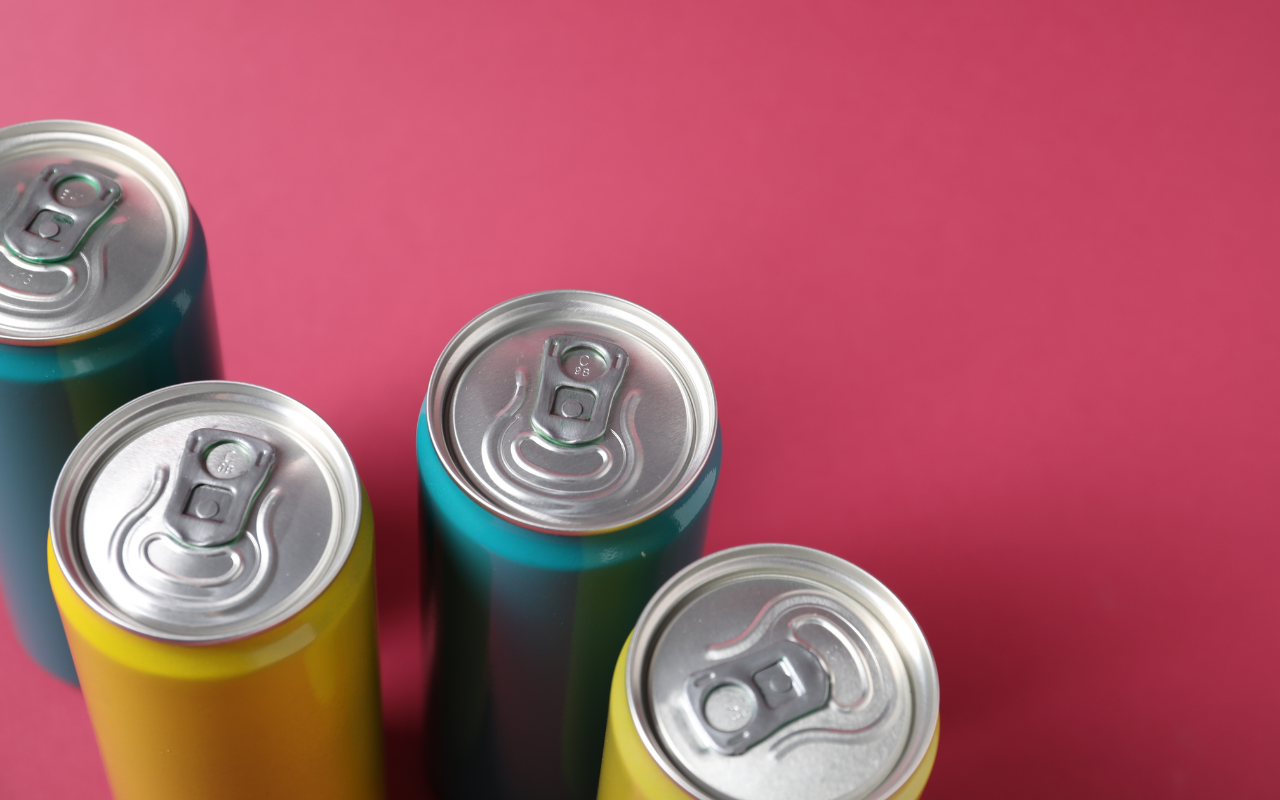
While zero-alcohol products are increasing in popularity, research suggests they are being marketed as an addition to alcohol, rather than a replacement.
Australian research has found alcohol companies are exploiting weak advertising rules by promoting zero-alcohol products in new contexts that widen the scope of where it is acceptable to drink.
The study published in the Drug and Alcohol Review has recommended that advertising rules in Australia should be tightened in response.
Findings revealed almost two thirds (63%) of all the 30 campaigns analysed showed zero-alcohol products being used in settings that are traditionally alcohol-free, such as swimming, in a gym workout, or driving.
Researchers found this trend to be of concern because the drinks share branding with alcohol products, and even though they have no alcohol content, they effectively push boundaries by creating new drinking occasions.
Advertising standards falling short
The campaigns promoted 13 zero-alcohol products in Australia and six in New Zealand between 2018 and 2024.
Deputy Chair of Cancer Council’s Nutrition, Alcohol and Physical Activity Committee and co-author Julia Stafford said their findings highlight the urgent need for reform of Australia’s alcohol advertising standards.
“Alcohol brands are exploiting Australia’s weak advertising rules by placing zero-alcohol products in traditionally alcohol-free situations and contexts, like in gyms, before or while driving, operating heavy machinery and even cliff jumping,” Ms Stafford says.
“While zero-alcohol products may be a suitable option for adults who want to cut back on alcohol, only some of the advertising campaigns exclusively promoted the zero alcohol products as alternatives to alcohol.”
“Many advertisements featured scenarios and activities where alcohol wouldn’t usually be used, limiting any potential public health benefits from use of these products.”
“Reducing use of alcoholic products can help reduce cancer risk. Alcohol is known to cause at least seven types of cancer, including cancer of the mouth, throat, oesophagus, breast, liver and bowel.”
A public health concern
Researchers found a fifth of the campaigns studied showed zero- alcohol products in exercise or sporting contexts, 27% showed fitness‑related benefits, and 23% used themes of feeling more productive.
The researchers are calling for the federal government to set higher standards for alcohol advertising and marketing of zero-alcohol products, particularly as they rapidly expand their share of the market.
Ms Stafford says this trend is of public health concern, as Australia’s current alcohol advertising controls rely primarily on voluntary rules set by the alcohol industry itself, which prioritise alcohol company interests over community wellbeing.
She says their research has shown the need for strengthened community protections around alcohol marketing.
“Cancer Council is urging the federal government to close this zero-alcohol loophole and introduce higher standards for alcohol brand marketing, promotion and sponsorship to reduce community exposure to alcohol marketing,” she says.
Nance Haxton was a journalist at the ABC for nearly 20 years. She’s also worked as an Advocate at the Disability Royal Commission helping people with disabilities tell their stories and as a senior reporter for the National Indigenous Radio Service.
In that time she’s won a range of Australian and international honours, including two Walkley Awards, and three New York Festivals Radio Awards trophies.
Now freelancing as The Wandering Journo, Nance is independently producing podcasts including her personal audio slice of Australia “Streets of Your Town”.
Subscribe to the free InSight+ weekly newsletter here. It is available to all readers, not just registered medical practitioners.