
 more_vert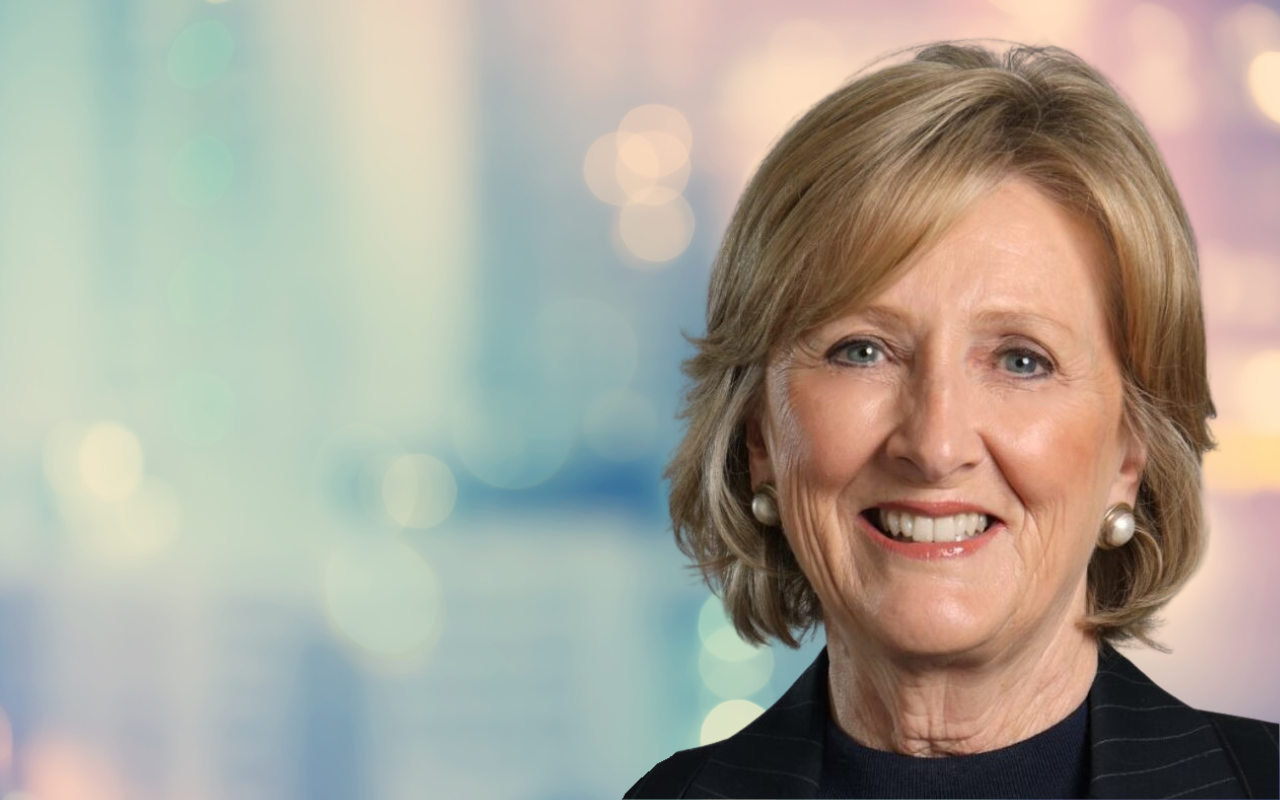
Australia’s health system is confronting workforce, safety, equity, and sustainability crises, with profound consequences for patients, clinicians, and communities. These grand challenges cannot be solved without strong clinical insight at the governance table. Yet doctors remain under-represented on health boards, often because they underestimate their ability to contribute. This opinion piece outlines how clinical leadership at a governance level can significantly contribute to better patient care, safer workplaces, and a strong, sustainable health system.
Decisions about health priorities and funding allocations are not made in consulting rooms or operating theatres. They are mostly determined in boardrooms. When clinicians are absent from the board table, decisions are made about us and around us. When we are present, we have the potential to influence the care of millions of patients and the working conditions of tens of thousands of clinicians.
The grand challenges facing our health system are intensifying in the post-pandemic era. In this context, clinicians — including medical practitioners — serving as non-executive directors (NEDs) on health-related boards bring critical insight and value to the table.
For doctors who wish to shape the future of health care rather than simply endure its pressures, the case for engaging in health governance is increasingly compelling.
The grand challenges facing the health system
Across hospitals, general practices, aged care providers, disability services, health insurers and other health organisations, non-executive directors and officers are grappling with grand challenges that threaten the viability, equity, workforce sustainability, quality, safety and reputation of the health and care system (here, here).
Worsening morbidity and mortality among marginalised populations — including rural and remote communities, First Nations peoples (here), people with disability and those with other complex needs — persist despite longstanding commitments to patient-centred care (here). At the same time, escalating patient demand is colliding with financial constraint, rising clinical complexity, and growing clinical workforce fragility (here).
In this environment of challenge and uncertainty, health-related boards must make major strategic decisions about funding priorities and allocation (here), workforce design (here), AI (here, here) and technology investments (here), evolving models of care, clinical governance (here) and medico legal issues (here). These important decisions determine whether service innovations, digital health advances and new research translate into safer, higher-quality patient care.
Health system-wide clinical workforce shortages are now affecting service viability across public and private sectors. In addition, unsafe working conditions, and other long standing psychosocial hazards, including exhaustion related to poor working conditions, discrimination, racism, sexual harassment, bullying, violence resulting in psychological and physical injury — particularly for clinicians in training — remain unacceptably common in health care (here, here, here, here, here).
Under new WHS laws, health-related boards and senior executives carry heightened legal duties to prevent psychological and physical harm, with significant personal and organisational penalties for non-compliance, including imprisonment (here). Workforce sustainability is therefore a governance responsibility that requires expertise in workplace injury prevention and management — a core clinical role (here, here).

Why medical NED voices matter in governance
While serving as a NED as well as a clinician over the last three decades, I have observed that medical practitioners (medical NEDs) bring something distinctive to governance.
Firstly, our presence on health-related boards signals to internal and external stakeholders that the organisation has a reputation for ethical conduct and takes the quality and safety of patient care very seriously.
Boards are accountable for clinical quality, safety, and public trust. Health care is inherently hazardous and without an experienced clinical voice at the board, non-clinical non-executive directors fail to adequately mitigate or manage clinical risks. Medical NEDs strengthen clinical governance by linking data, research translation, and frontline realities, helping close the gap between reporting requirements and actual care delivery. We are acutely aware of the fragmentation across health care sectors that continues to drive duplication, delay, and preventable harm, and can guide boards towards sustainable models of integrated care.
However, our contribution to a board goes beyond clinical quality and safety.
Trained to manage uncertainty, medical NEDs routinely synthesise incomplete and complex information, weigh competing risks and revise decisions as new evidence emerges. We are uniquely placed to interrogate safety and workforce data, and link decisions made in boardrooms to real-world consequences at the coalface of care delivery (here).
Medical NEDs also understand how funding mechanisms, workforce design, technology, and models of care interact across public and private health systems, bringing evidence-based insights into what genuinely delivers clinical value and strengthening commercial decision-making.
Rapid advances in digital health, artificial intelligence, and new models of care present both opportunity and risk. Medical NEDs are well placed to distinguish meaningful innovation from costly distraction and guide safe adoption of new advances at scale.
We bring credibility, realism, and urgency to discussions about clinical workforce engagement, which is essential to drive change, reform and growth in any health-related organisation. These insights are critical in the context of work health and safety breaches, burnout and clinician attrition, which now threaten health service viability. As clinicians, we understand both the human consequences of failing to address unsafe working conditions and psychosocial hazards — and how harm can be prevented and managed.
Like complex clinical work, governance decisions often sit in grey zones. Engaging in robust debate, managing multidisciplinary and consumer perspectives, and careful use of evidence and data, are precisely the capabilities we develop through our medical training.
At the same time, boards dominated solely by medical practitioners — as sometimes occurs in colleges and medical associations — risk groupthink, internal politics, and blind spots.
What works best is balance (here): boards need multiple qualified and experienced clinical NEDs from different backgrounds and specialties working alongside non-clinical directors with expertise in finance, law and regulation, technology, cyber, people and culture, and consumer engagement — united by curiosity, mutual respect and a commitment to making a real difference to patient care.
Overcoming the barriers deterring doctors from board participation
In reality, few doctors feel “board-ready” to tackle these challenges because persistent myths discourage capable clinicians from applying for governance roles.
“I’m not board ready.”
Most doctors underestimate how transferable their professional skills are. Boards value judgement, ethical reasoning, curiosity, and comfort with uncertainty. Early roles serving on the committees of colleges and other medical organisations and smaller not-for-profit health organisations often help clinicians gain governance expertise over time before embarking on major board roles.
“It’s all bureaucracy and compliance.”
In well-run organisations, finance, audit, legal and reporting obligations are efficiently systematised by an experienced, legally qualified company secretary and executive team.
“I don’t have a finance or legal background.”
Nor should you. Effective boards rely on complementary expertise. Clinical insight strengthens — rather than replaces — financial, legal, and commercial capability.
“There’s already a clinician on the board.”
A solitary clinical appointment to an otherwise non-clinical board can be tokenistic because it does not allow the depth of discussion required to tackle the complexity of contemporary health system challenges. Boards function best with multiple clinical NEDs contributing diverse perspectives and engaging in robust debate with management to drive better clinical decision making.
“Board work means giving up my clinical work.”
Maintaining clinical practice while serving on a board is encouraged.
“I don’t have time.”
Balancing monthly to six weekly board meetings with clinical work is achievable, particularly as meeting calendars are usually confirmed well in advance.
A call to action
If you care about systems issues such as health inequity, patient harm, unsafe workloads and other workplace abuses, clinical workforce attrition and the future of our health system, governance is no longer “someone else’s job”.
Boards make major decisions that shape our everyday working conditions, workforce, models of patient care and access, investment in technology and innovation, and response to clinical risk. Research, regulation and lived experience point in the same direction: when clinicians participate meaningfully at a governance level, quality and safety improve significantly.
For doctors wishing to explore this path, health governance education and mentoring programs can make the board table both achievable and rewarding (here).
Ultimately, the future of our health system will be shaped by who sits at the board table.
If you want to change health care rather than endure it, if you are frustrated by unsafe workplace cultures or poor management decisions, and if you want your impact to extend beyond one patient at a time, please consider taking your seat.
Adjunct Professor Leanne Rowe AM is an experienced GP and non-executive Director, having served on over twenty major boards in the last 3 decades. She currently serves as a Faculty Advisor to the Australian Institute of Health Executives (AIHE), offering support and training to clinicians wishing to transition to board roles. She has also recently developed the SafeDr website to empower every doctor to uphold human rights in health care through groundbreaking new WHS laws.
The statements or opinions expressed in this article reflect the views of the authors and do not necessarily represent the official policy of the AMA, the MJA or InSight+ unless so stated.
Subscribe to the free InSight+ weekly newsletter here. It is available to all readers, not just registered medical practitioners.
If you would like to submit an article for consideration, send a Word version to mjainsight-editor@ampco.com.au.