

 more_vert
Clinical guidelines and consensus statements provide systematic aids to making complex medical decisions. These documents integrate various forms of evidence—including from scientific research, clinician experience, and patient perspectives—with the aim of improving patient care and health outcomes. In this issue of the MJA, Anneliese Synnot and colleagues report findings from their scoping review on the extent and nature of consumer engagement in the development of Australian clinical practice guidelines. Despite recommendations from major guideline bodies that the guideline development process include people with lived experience, Synnot and colleagues found that extensive lived experience engagement was not reported for the majority of guidelines that they assessed. These findings suggest the need for guideline developers and publishers to pay much closer attention to lived experience engagement in Australian guideline development.
Clinical guidelines and consensus statements are usually published in the MJA as summaries, with full documents and associated materials available on institutional websites. Frequently, the recommendations have received endorsement from relevant medical colleges or health charities, or approval by the National Health and Medical Research Council. The purpose of featuring these articles in the journal is to increase the dissemination and uptake of new recommendations among a general medical readership.
Articles presenting new clinical guidance in the MJA should strike a balance between describing the methods for generating the recommendations and providing key messages that will support changes in clinical practice. To be considered for publication, these articles must be reported in a transparent manner that enables editors, reviewers and readers to make informed judgements about their trustworthiness and clinical utility. Accordingly, we require authors to report clinical guidelines using the AGREE checklist and consensus statements using the ACCORD checklist. Competing interests need to be declared alongside a description of how they were managed, with the journal recommending adherence to the Guidelines International Network Principles for disclosure of interests and management of conflicts in guidelines. As clinical guidelines have evolved over time from being primarily the product of expert opinion to being grounded in systematic reviews of the evidence, so too has the importance of clearly establishing the strength of new recommendations and the quality of the evidence that underpins them. Authors should use the GRADE system or an acceptable alternative, should GRADE be inappropriate.
A major challenge faced by guideline developers, publishers and users is how to ensure recommendations keep pace with often rapid advances in medical research and with emerging health priorities. Importantly, outdated guidelines have the potential to contribute to patient harm. In recent years, living guidelines have emerged as one approach for addressing this problem, and the journal has published several examples including in stroke and during the height of the COVID-19 pandemic (here, here, here, here). How to address guidance that has become out-of-date must also be considered in light of the recent increase in open access publishing. Although this shift comes with several benefits, it has also likely expanded readership among non-traditional users of medical journals. Some of these readers might not have substantial clinical or health research experience with which to guide critical engagement with journal content, with possible implications for interpreting and applying clinical guidance in their personal or professional lives. One option here is for journals to notify readers when guidance is no longer current. Authors may also consider whether it is appropriate to include a note at the time of publication about when their recommendations are anticipated to be reviewed.
In recognition of the major impacts that these articles can have on patient care, the journal pays close attention to developments in best practice for developing, reporting, and implementing new clinical guidance. We welcome feedback from readers on how we can continue to improve our processes in this area, as well as submissions of high-quality guidelines and consensus statements of interest to an Australian general medical readership.
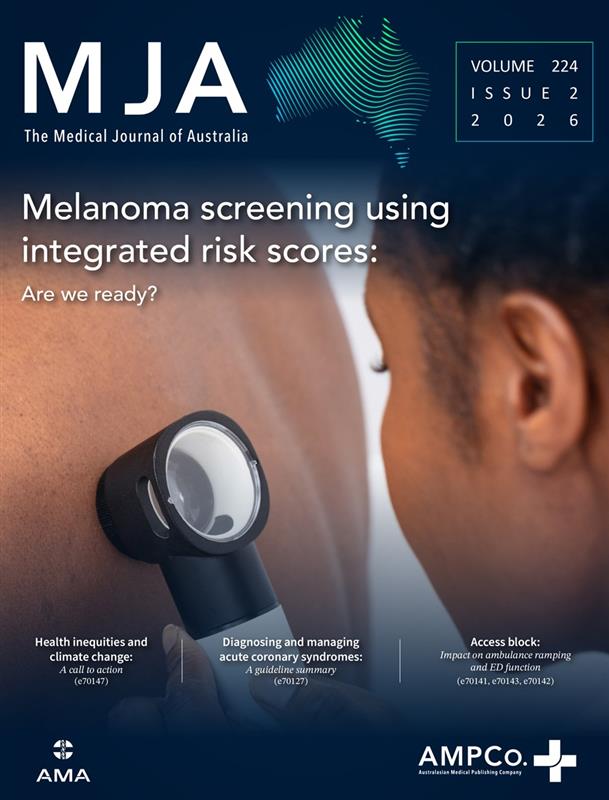
The February issue of the Medical Journal of Australia is out now.
Elizabeth Zuccala is the Deputy Editor of the Medical Journal of Australia.
Subscribe to the free InSight+ weekly newsletter here. It is available to all readers, not just registered medical practitioners.