

 more_vert
Laura Purcell shares a lived experience perspective demonstrating how cycle-aware clinical care transformed premenstrual dysphoric disorder (PMDD) management, reinforcing the need for broader awareness, informed diagnosis and tailored support.
The turning point in managing my premenstrual dysphoric disorder (PMDD) came when my gynaecologist encouraged me to simply listen to my body and address its needs.
This was seven years after my diagnosis of PMDD.
Understanding the link between my moods and my cycle at a younger age could have made a significant difference to my wellbeing.
From age 14, I wrestled with severe emotional swings ranging from feelings of hopelessness and apathy to unexplained crying and irritability. These symptoms were only exacerbated when I tried to ignore them. I felt misunderstood by my peers at school who avoided me and my unpredictable moods, and by the well-meaning adults and doctors who told me that it was all part of being a woman.
It wasn’t until my mother recognised that my symptoms were cyclical that I finally began to get answers. Even with a diagnosis, it took several years before I felt able to effectively manage my condition to live a fulfilling life.
What is PMDD?
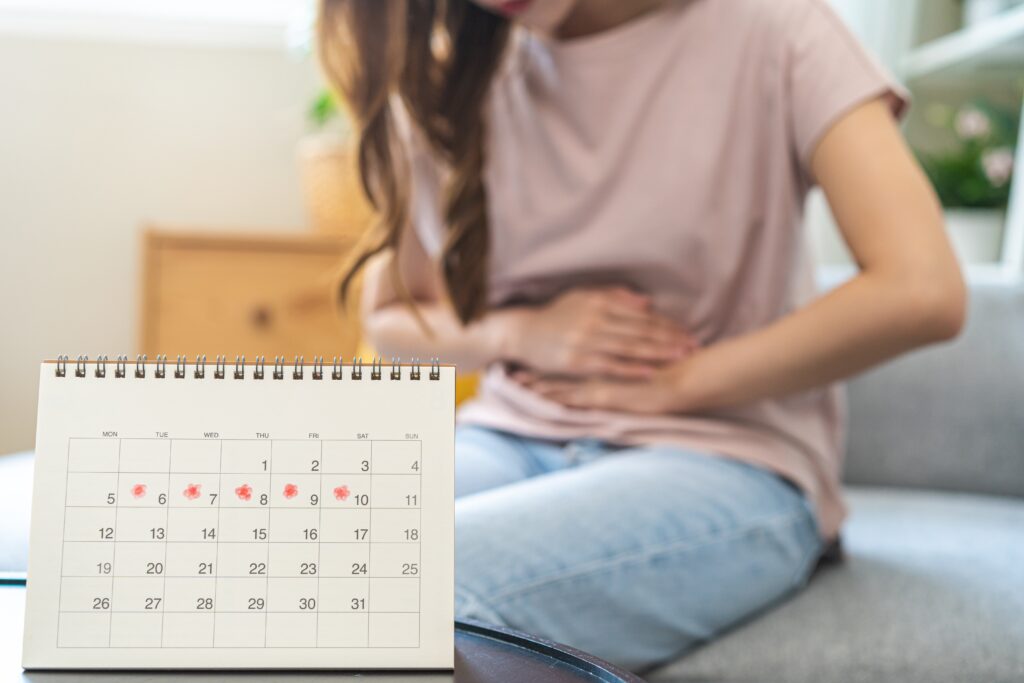
PMDD is a depressive disorder linked to the menstrual cycle characterised by severe mood fluctuations that occur during the luteal phase, resolving within the first few days of menstruation. PMDD can be debilitating, affecting relationships, employment and overall wellbeing.
Symptoms of PMDD can include:
- Feelings of hopelessness
- Increased sensitivity to rejection
- Anger or irritability
- Feeling out of control
- Fatigue or low energy
PMDD was classified in the Diagnostic and Statistical Manual of Mental Disorders, Fifth Edition (DSM-5) in 2013 and as both a genitourinary disease and depressive disorder in the 11th International Statistical Classification of Diseases (ICD-11) in 2019.
Globally, it is estimated that between 1.8-5.8% of menstruators have PMDD. However, this may be an underestimation as PMDD is difficult to diagnose due to its overlap with PMS symptoms and its similarity to other mental health conditions such as general anxiety and bipolar disorder. The DSM-5 states diagnostic criteria for PMDD, but health care practitioners have reported that these guidelines are complicated and time-consuming.
Despite DSM-5 and ICD-11 recognition improving medical research attention, prevalence in Australia remains uncertain, and many menstruators may be suffering with PMDD without a diagnosis or support.
The most concerning statistic is that 72% of people with PMDD have reported suicidal thoughts or ideation and up to 34% of people have attempted suicide. This highlights an urgent need for greater awareness of the condition and ensuring adequate support is available.
My diagnosis journey
I consider myself fortunate to have received a diagnosis of PMDD during my late teenage years after two years of symptoms, as it takes an average of 12 years for an Australian woman to be diagnosed.
My diagnosis journey began at age 14 when I was prescribed a selective serotonin reuptake inhibitor (SSRI) to manage symptoms of anxiety and depression including feeling on edge, panic attacks, and frequent unexplained crying. I also attended psychology sessions but did not find them beneficial at the time because I felt that the nuances of my struggles were not being understood.
My mother was the first to recognise that my emotional fluctuations followed a cyclical pattern, and through her own research online, she came across PMDD.
I asked my GP about PMDD, and she agreed that my symptoms matched the description. She advised me to continue taking the SSRI, however, admitted that she didn’t know much about the disorder.
The diagnosis of PMDD brought me a lot of relief and validation. However, I was still struggling to maintain a routine, turn up to school and work, and retain relationships. I felt out of control.
Honouring my cycle
After seeking help from a gynaecologist experienced in PMDD, I felt genuinely understood for the first time.
She reframed my experience by explaining that the pressure to function the same every day was making me feel as though I was failing, when my biology changes throughout my cycle, and naturally, my needs change with it. She pointed out to me that the social norms of workplaces, relationships and education rarely recognise the natural fluctuations in energy, focus, and emotional capacity of menstruators.
She encouraged me to live with my cycle rather than against it. She taught me to be more compassionate with myself during the challenging days of my luteal phase, especially when cognitive tasks like decision-making felt near impossible, and to take rest, without self-judgement. I also learned how to communicate my needs more openly with others, including with employers.
Pharmacological support, in the form of an SSRI, has been helpful, but what transformed my quality of life was cycle tracking, and in a fashion, ‘honouring’ my body’s changes. This mindset shift helped me to reimagine and redesign my life so that my biological processes were no longer something to overcome, but something to understand and respect.
Reflecting on my experience, here are some ways health care practitioners could enhance care:
- Routinely ask patients presenting with mental health concerns about their menstrual cycle.
- Encourage patients to track their cycles and do their best to adapt their routines in line with expected changes, especially those with PMDD.
- Offer ongoing, long-term support for patients with PMDD, recognising that symptoms, circumstances and treatment can change over time.
Laura Purcell is a PhD Candidate in the School of Public Health at the University of Queensland (UQ)
The statements or opinions expressed in this article reflect the views of the authors and do not necessarily represent the official policy of the AMA, the MJA or InSight+ unless so stated.
Subscribe to the free InSight+ weekly newsletter here. It is available to all readers, not just registered medical practitioners.
If you would like to submit an article for consideration, send a Word version to mjainsight-editor@ampco.com.au.
This is a wonderful article that brings together the research and the personal lived experience. Thank you for contributing this, as this could likely inform patient care going forward.
At last there is now a name for this condition. I remember so very, very well the relief that happened through my teens, 20s, 30s and 40s, when my period began and I had a reason for my emotional state over the previous days: usually 2 – 3. To suddenly feel “better”, less brittle, less out of control, less miserable etc and then realise that it would all happen again after a short reprieve. Nice article.