




Latest

InSight+ updates
29 April 2026
InSight+ reimagined: medical news and commentary redesigned with clinicians in mind
The old is making way for the new on InSight+
Disability
27 April 2026
Tightened eligibility and cuts to plans: what the NDIS changes mean for participants
In sweeping reforms to the National Disability Insurance Scheme (NDIS) announced today, the government will cut 160,000 participants from the scheme over the next four years and reduce funding for the average plan by A$5,000 in the next two years.
Child health
27 April 2026
Childhood BMI changes genetically linked to adulthood diabetes and heart disease
A study led by the University of Queensland has analysed how genes can affect a child's body mass index (BMI) over time. The research also explores how these genetic factors may increase the risk of developing diseases such as heart disease or type 2 diabetes later in life.
Neurology
27 April 2026
Functional neurological disorder in Australia: disabling, stigmatised, and under-served
Sarah* is 34, works in administration, and has spent two years without a diagnosis. Her symptoms began with cognitive episodes — words vanishing from her screen mid-sentence and memory lapses — followed by functional seizures and right-sided weakness requiring emergency department care. CT scans and an MRI were unremarkable. She was variously labelled with migraine and anxiety and referred back to her GP. Patients like Sarah are common, yet our health system offers no clear pathway for their care.
Sexual health
27 April 2026
Why GPs should be on the lookout for syphilis
Syphilis cases are on the rise, and inconsistent screening in general practice is leaving people at risk.
Gynaecology
27 April 2026
Gynaecological cancers in Australia: a hidden crisis for women
Australia has made significant advances in the prevention of cervical cancer, but progress on other gynaecological cancers is falling behind.
Podcasts



Neurology
9 March 2026
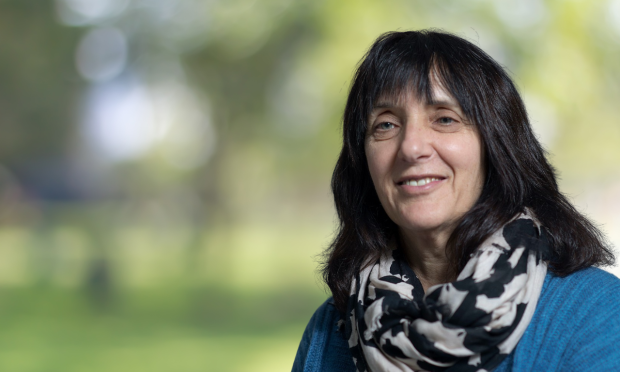
Polyvagal Theory debunked in comprehensive new study
A recent paper co-authored by 39 leading scientists names the Polyvagal Theory (PVT) ‘untenable.’ It’s the work of two decades, with agreement from experts in wide-ranging fields. But some in the psychological community are hesitant to let PVT go.

Substance-related disorders
12 January 2026
The uncomfortable truth about alcohol
Despite reductions in consumption, particularly among young people, Australia has seen a rise in alcohol-related harms and avoidable costs. To decrease alcohol’s enormous burden on individuals, families and communities, it is important that all drinkers ease their alcohol consumption, not just heavy drinkers and other risk groups.

Digestive system diseases
19 January 2026
Colonoscopy: striking the right balance
Where you live shouldn’t determine whether you can access colonoscopy services when you need them. However, new data shows there are stark differences in rates of MBS-subsidised colonoscopy across Australia, and that these gaps have grown over the last decade. How can we make sure some patients aren’t having colonoscopies unnecessarily while others with greater need miss out?

Artificial intelligence
16 March 2026
ChatGPT Health putting lives at risk
Concerns are rising over patients’ use of AI tools such as ChatGPT for health information, but with little awareness of the risks.

Women's health
12 January 2026
'Bikini medicine' has marginalised women in every area of health
A legacy of exclusion means Australia’s medical system is fundamentally skewed, as it was built for and tested on men

Health workforce
7 April 2026
Sexual harassment in medicine: healing global medical cultures
Over the last decade, I have worked with a team of editors and authors on an international book on sexual harassment in medicine, which has been published by Cambridge University Press. It has been a long, sometimes surprising and deeply disturbing analysis of a complex problem with world-wide ramifications.
Mental health
7 April 2026
Referring to psychologists: why “fit” matters
A psychologist colleague recently described a session with a new patient. When she asked why the person had been referred to her, the patient replied: “My GP said you were such a lovely person.” I’m sure she is. But it raises a clinical question: is “lovely” really a sufficient basis for referral, given the range and complexity of presentations seen in general practice?

Public health
30 March 2026
MJA editor's choice: looking after ourselves in times of turmoil
In times of strain, the quiet work of care — for patients, colleagues, and ourselves — becomes both more difficult and more essential.


Newsletters
Subscribe to the InSight+ newsletter
Immediate and free access to the latest articles
No spam, you can unsubscribe anytime you want.
By providing your information, you agree to our Access Terms and our Privacy Policy. This site is protected by reCAPTCHA and the Google Privacy Policy and Terms of Service apply.

Jobs Board
Find the latest medical jobs across Australia and beyond
Upcoming Conferences
Calendar of conferences in Australia and New Zealand.