

 more_vert
Water bankruptcy is a serious public health issue that must be urgently addressed. Health practitioners have a responsibility to lead in shaping a future where water is protected and valued.
Water, the fundamental foundation of all life on earth, is in short supply. We have a global water deficit caused by a perfect storm of factors including climate change, droughts and extreme weather, over-extraction, agricultural practices and pollution. This is harming the health of humans and the environment. Of all the many ecological problems our planet faces, water bankruptcy must surely rank highest in terms of our need to act and take seriously.
In January the United Nations University released their Global Water Bankruptcy report, spelling out the cataclysm we face with water. They demonstrate that our water demand exceeds our supply, with water depletion in our rivers, lakes, aquifers, wetlands, groundwater and glaciers, with devastating impacts on planetary health.
Nearly three-quarters of the world’s population now live in countries classified as water-insecure, impacting our ability to access drinking water, grow food, water livestock and increasing the risk of disease from water contamination, malnutrition, hygiene-related infections and associated mental health impacts.
Of further concern is the increase in vector borne disease from stagnant water creating a breeding ground for mosquitoes and increasing the incidence of malaria and dengue fever. Considering that there were 610,000 deaths from Malaria in 2024 and dengue is the fastest growing mosquito-borne disease world wide, the importance of addressing water bankruptcy for the health community is hard to overemphasise.
Water bankruptcy compounds global health inequities with women in the global south being placed at most risk from water scarcity as they bear the main responsibility for water collection, exposing them to physical injury, dehydration and physical violence as well as reducing employment and school attendance.
It is evident that water bankruptcy harms our environmental health, with animal and plant life also being destroyed. Our wetlands, amongst the most threatened ecosystems on Earth, are disappearing three times faster than forests. We are experiencing groundwater depletion from irrigation, our aquifers are in severe decline and our rivers are dwindling with over 50% of global river basins experiencing reduced flows, increased water scarcity, and pollution.
And of course, we need water to put out fires.
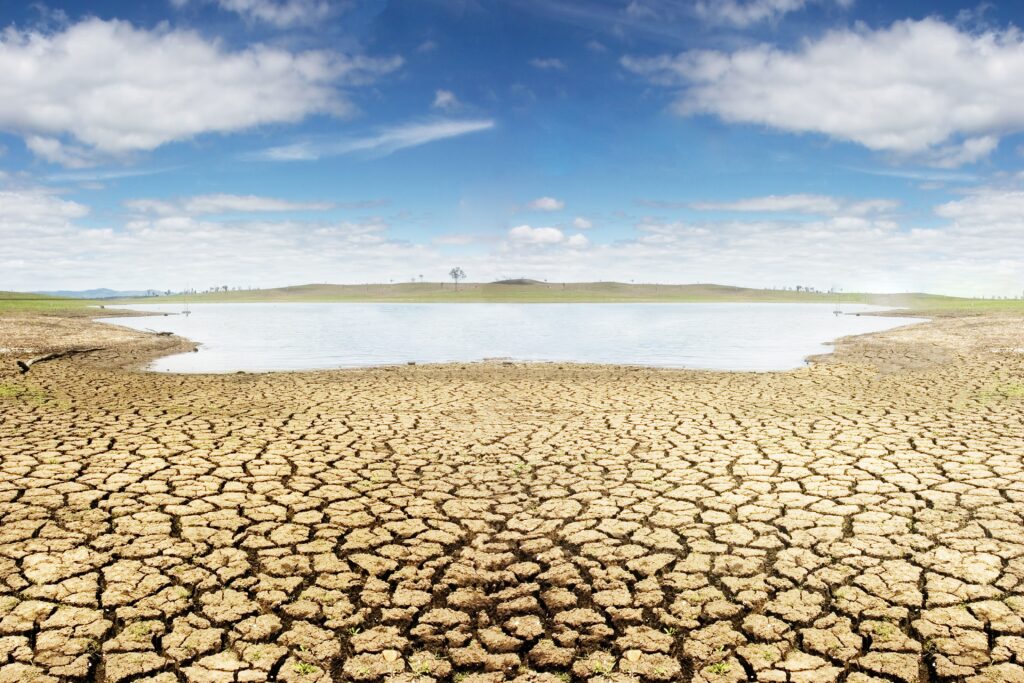
Australia already feeling the consequences
For us in Australia, as the driest inhabited continent, it is evident that water bankruptcy is being felt in our country.
In January 2026, the lower Murray River ecosystem, which stretches nearly 1000 km from western NSW, through South Australia to the Coorong, was declared critically endangered.
At the heart of this once mighty river’s deterioration is over extraction of water for irrigation, pollution from fertilisers and the compounding impacts of climate change, with floods and drought both causing harm. The Murray’s ill-health is one of the factors that has caused South Australia’s disastrous algal bloom as the flood waters coming down from the upper basin washed fertiliser waste out to sea, combining with a marine heatwave to create ideal conditions for Karenia algal species.
Rivers die from the mouth up, and if we don’t address the health of the lower Murray it is only a matter of time before the upper Murray Darling Basin is affected. This year the Basin Plan is under review meaning we have an opportunity here to advocate to help restore this river’s health.
Looking North we see the Fitzroy/Martuwarra River being put under increasing threat, placed in similar circumstances from over-extraction, fracking and mining, again risking local human and environmental health.
The Great Artesian Basin, a critical water source for outback communities, which extends across Queensland, New South Wales, the Northern Territory and South Australia, has seen significant decline with about 1000 springs drying up over the last century. Uncontrolled water flow from bores (used to water cattle) has seen drops in water pressure and the Basin is being further undermined by coal seam gas extraction and dewatering by coal mines.
We all know that Australia is prone to drought and that drought conditions are increasing due to climate change, especially in southern parts of Australia. For human health this means respiratory issues from dust and dust storms, rising cost of living as drought drives up food prices and mental health problems, with the increase in mental health impacts being well documented.
Clearly water bankruptcy is a serious public health issue that needs to be urgently addressed and whose impacts we will be treating in our everyday work. Health practitioners, whose role it is to protect health, have a responsibility to lead in shaping a future where water is protected and valued.
As a respected and trusted voice, we can call for water management that centres human and environmental health, rather than allowing this worsening bankruptcy to continue past a point of no return.
For Doctors for the Environment Australia, this means advocating to address the causal factors of anthropogenic climate change, fossil fuel extraction, agricultural practices and land clearing, highlighting that all these impact water security. It means working with our health professional bodies and our governments to help them recognise the necessity of addressing water bankruptcy in their work and thereby protect the foundational requirement of all life on earth.
Dr Kate Wylie is a GP and the executive director of Doctors for the Environment Australia (DEA), a not-for-profit advocacy organisation that recognises that human health depends upon a healthy environment.
Based in Adelaide, Dr Wylie’s work centres on the need for emissions reduction and the protection of biodiversity in order to protect human health and on the need for sustainability in health care.
Dr Wylie is a past chair of the RACGP’s Climate and Environmental Medicine Specific Interest Group, elevating the need for climate action with GPs across Australia and a previous chair of DEA.
In all her work, Dr Wylie applies a medical model to the climate crisis and as such offers a treatment plan for climate change. She seeks to activate her audience so they can help create the paradigm shift that we need to combat the climate crisis.
“Our planet is worth saving, and so are we.”
The statements or opinions expressed in this article reflect the views of the authors and do not necessarily represent the official policy of the AMA, the MJA or InSight+ unless so stated.
Subscribe to the free InSight+ weekly newsletter here. It is available to all readers, not just registered medical practitioners.
If you would like to submit an article for consideration, send a Word version to mjainsight-editor@ampco.com.au.